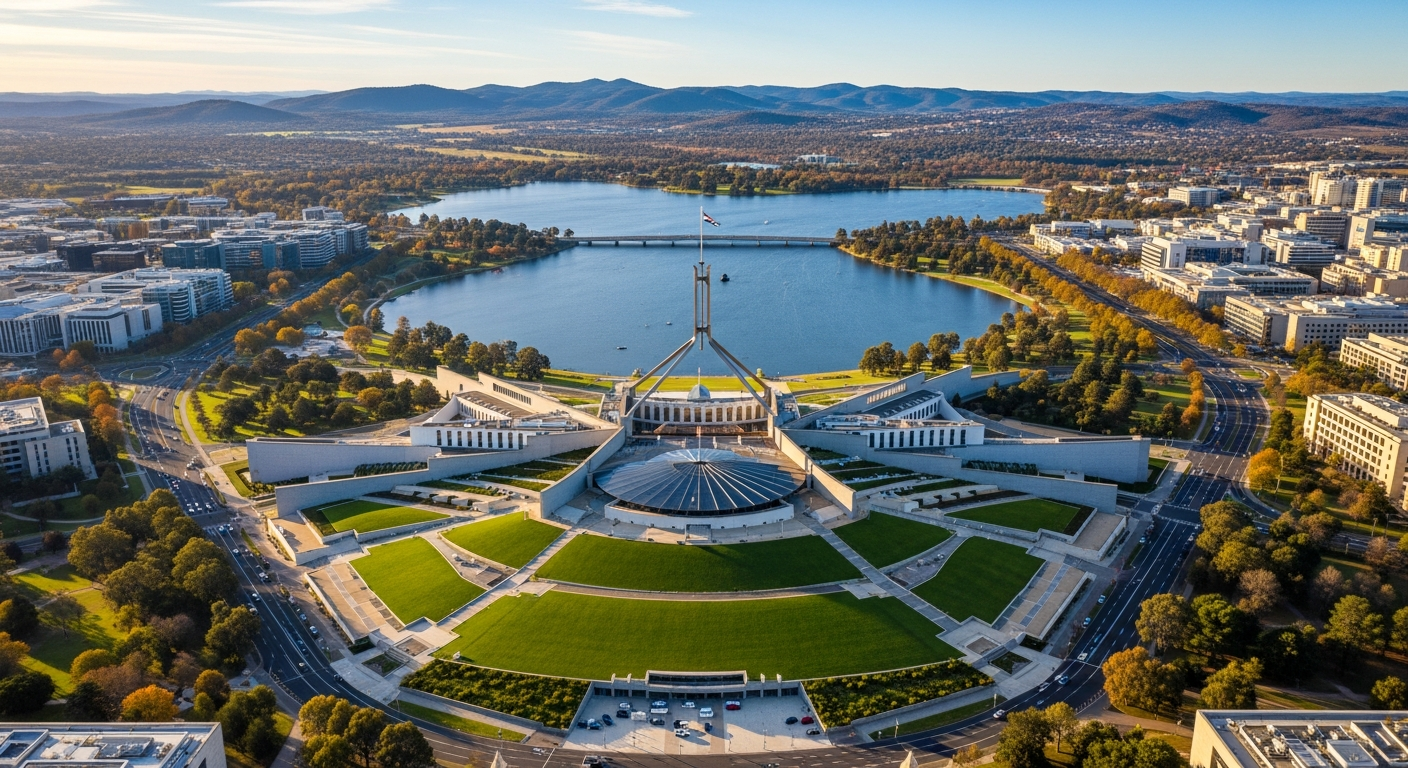
Canberra is far more than a city of politics and public servants - Australia's purpose-built capital is a vibrant, cultured destination with world-class museums, stunning natural surroundings, an increasingly exciting food and bar scene, and some of the country's most significant national institutions. Designed by American architects Walter Burley Griffin and Marion Mahony Griffin in 1913, Canberra's geometric layout is centred on the magnificent Lake Burley Griffin, with sweeping boulevards, expansive parklands, and the iconic Parliamentary Triangle forming the heart of the city. Today, Canberra consistently ranks among Australia's most liveable cities, with a population of around 460,000 who enjoy a sophisticated urban lifestyle set against a backdrop of bushland reserves and rolling hills.
Getting There
Canberra is located approximately 280km southwest of Sydney and 660km northeast of Melbourne. The drive from Sydney takes about 3 hours via the Hume and Federal Highways. From Melbourne, it's about 7 hours by road. Canberra Airport receives regular domestic flights from Sydney (45 minutes), Melbourne (1 hour), Brisbane (2 hours), Adelaide, and Perth. The airport is just 10 minutes from the city centre. Murrays and Greyhound operate coach services from Sydney (3.5 hours). Canberra's compact size makes it easy to navigate by car, and the city has an excellent network of cycling paths.
Parliament House & The National Triangle
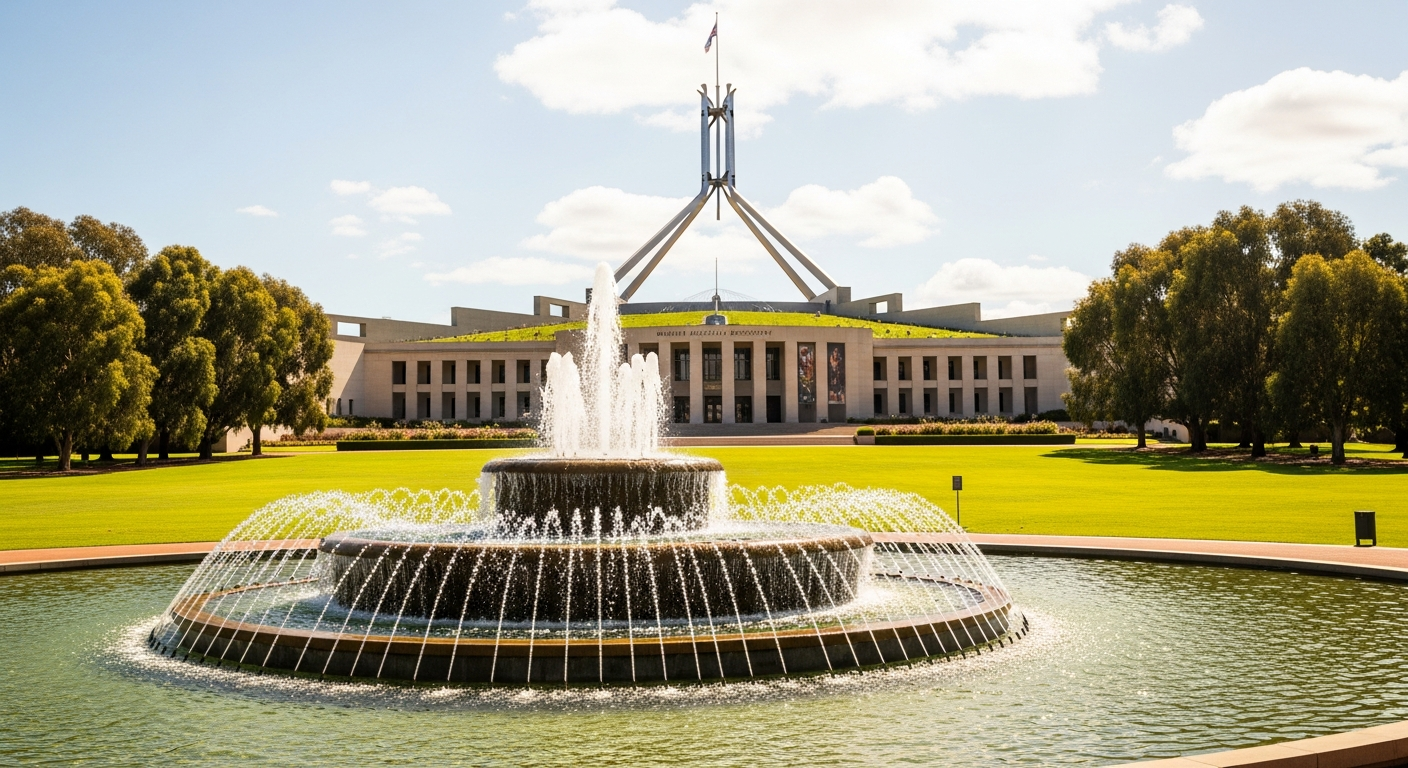
Parliament House is Canberra's most iconic building and one of the most significant architectural achievements in Australia. Opened in 1988, the building is built into Capital Hill, with its distinctive flagpole rising 81 metres above the summit. The building is open to the public and free to enter:
- The Great Hall: Features one of the world's largest tapestries, based on an Arthur Boyd painting.
- Question Time: When Parliament is sitting, you can watch Question Time from the public galleries - a riveting experience of Australian democracy in action. Free tickets available from the Sergeant-at-Arms office.
- Rooftop lawn: Walk on the grassed roof for panoramic views over the Parliamentary Triangle to Lake Burley Griffin and the Australian War Memorial.
- The National Triangle: The area bounded by Commonwealth Avenue, Kings Avenue, and the lake shore contains many of Canberra's most significant buildings, including Old Parliament House (now the Museum of Australian Democracy), the National Gallery, the High Court, and the National Library.
Lake Burley Griffin
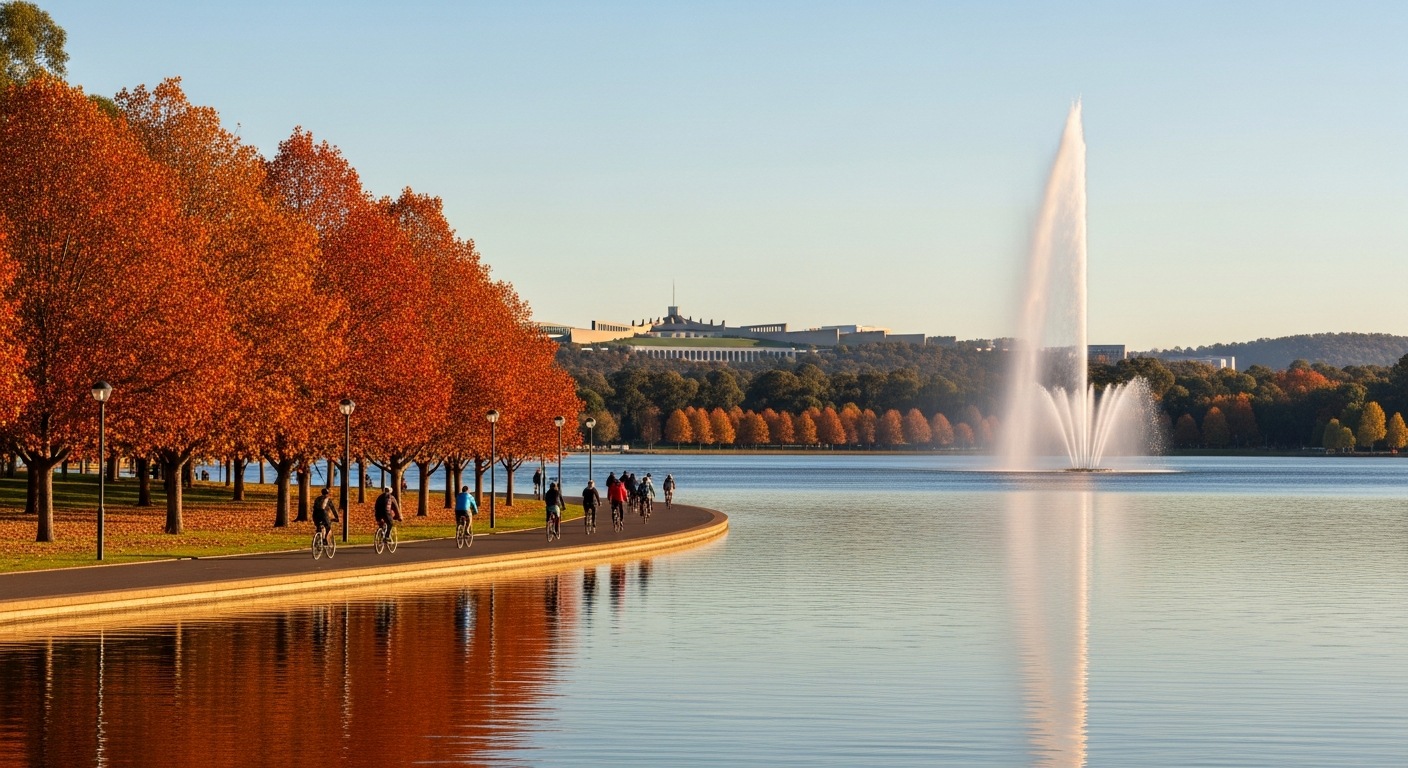
Lake Burley Griffin is the centrepiece of Canberra's design - a large artificial lake created in 1963 by damming the Molonglo River. The lake is named after the city's designer and stretches approximately 11km through the centre of the city:
- Captain Cook Memorial Jet: A powerful water jet that shoots water up to 147 metres into the air, visible from across the city.
- Kings Park & Commonwealth Park: Beautiful parklands along the lake shore, perfect for picnics, walking, and cycling.
- Cycling the lake loop: The 28km sealed path around the lake is one of Canberra's most popular cycling routes, passing many of the city's major attractions.
- Kayaking and paddleboarding: Hire kayaks, stand-up paddleboards, or pedal boats from several outlets around the lake.
- National Carillon: A striking 50-metre tower on Aspen Island containing 57 bronze bells, with regular recitals.
Kingston Foreshore & Food Scene
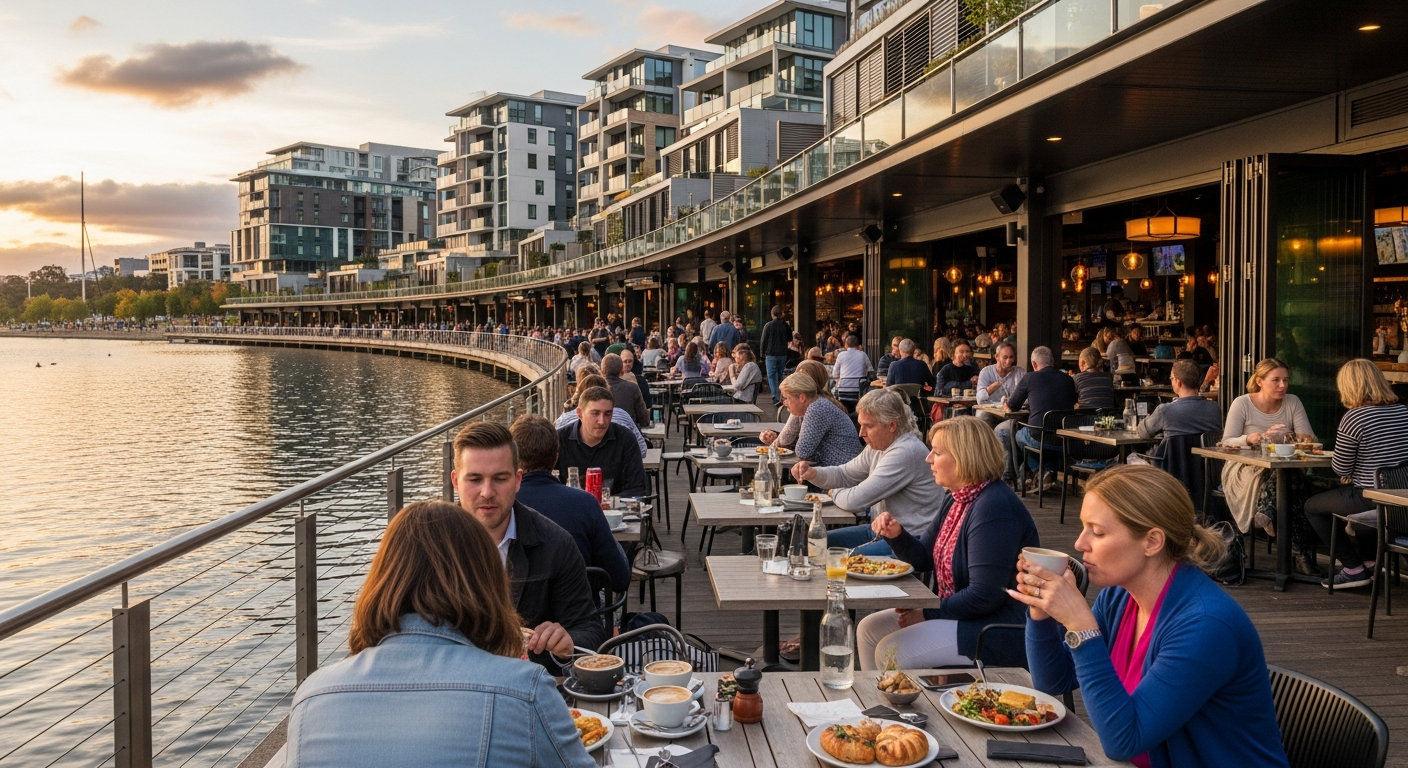
Canberra's food scene has undergone a remarkable transformation in recent years, with the Kingston Foreshore precinct leading the charge. This lakeside development has become one of the city's most popular dining destinations:
- Kingston Foreshore: A waterfront precinct with restaurants, bars, and cafes overlooking the lake. The area comes alive on weekends with locals and visitors enjoying brunch, long lunches, and evening dining.
- Old Bus Depot Markets: Held every Sunday at the Kingston Bus Depot, this market features artisan food, handmade crafts, vintage goods, and fresh produce.
- New Acton precinct: A revitalised inner-city neighbourhood centred on the Nishi building and the Monster Kitchen and Bar. The precinct features street art, boutique shops, Palace Electric cinema, and some of Canberra's best bars and restaurants.
- Braddon: Canberra's hipster strip along Lonsdale Street, packed with specialty coffee shops, craft beer bars, independent boutiques, and diverse restaurants.
- Manuka and Griffith: Established dining precincts with a mix of fine dining and neighbourhood restaurants.
Where to Eat
- Monster Kitchen and Bar: (New Acton): Creative modern Australian cuisine in a stunning setting inside the Nishi building. Excellent cocktails and a vibrant atmosphere. Mains $34-48.
- Pilot: (Ainslie): One of Canberra's best restaurants, serving refined modern Australian dishes with seasonal local produce. Mains $38-52.
- Akiba: (Civic): Asian fusion with a lively atmosphere. Great share plates, cocktails, and late-night dining. Mains $24-38.
- Italian & Sons: (Braddon): Outstanding Italian cuisine, fresh pasta, and an excellent wine list. Mains $28-42.
- Mocan & Green Grout: (New Acton): Popular brunch spot with excellent coffee and creative breakfast dishes. Mains $18-28.
- Lilotang: (Kingston Foreshore): Japanese-inspired small plates and cocktails. Mains $26-40.
Where to Stay
- Budget: Canberra YHA (modern hostel in the city centre, from $35 dorms/$110 private), Ibis Budget Canberra (from $95).
- Mid-Range: Midnight Hotel (boutique hotel in Braddon with a rooftop bar, from $180), Peppers Gallery Hotel (from $160), Novotel Canberra (from $150).
- Luxury: Hotel Hotel (architecturally stunning hotel in New Acton, from $280), Hyatt Hotel Canberra (Art Deco grandeur in the Parliamentary Triangle, from $320), Ovolo Nishi (from $300).
Practical Tips
- Floriade: Canberra's spectacular spring flower festival runs for a month from mid-September to mid-October. Over a million flowers bloom in Commonwealth Park - it's one of Australia's best free events. - Climate: Canberra has four distinct seasons. Summers are warm and dry (20-35°C), autumns are spectacular with golden foliage, winters are cold (often below 0°C with frost), and springs are mild and beautiful. Pack layers. - Getting around: Canberra is a car-friendly city with free parking at most attractions. The new light rail runs from the city to Gungahlin. Cycling is excellent, with over 200km of dedicated cycling paths. - Weekend trip: Canberra is an ideal weekend destination from Sydney. Most major attractions are free, making it excellent value. - Anzac Day: The Dawn Service at the Australian War Memorial on April 25 is one of Australia's most moving commemorations. Arrive early as thousands attend.
AUBIS Tip
: Canberra is Australia's most underrated capital city, packed with free world-class attractions and an increasingly vibrant food and bar scene. Use AUBIS to plan your Canberra weekend - book accommodation in New Acton or Kingston Foreshore for the best dining access, schedule visits to the War Memorial and National Gallery, and add a cycling tour around Lake Burley Griffin. The platform will help you build an itinerary that reveals Canberra's surprising depth and sophistication.