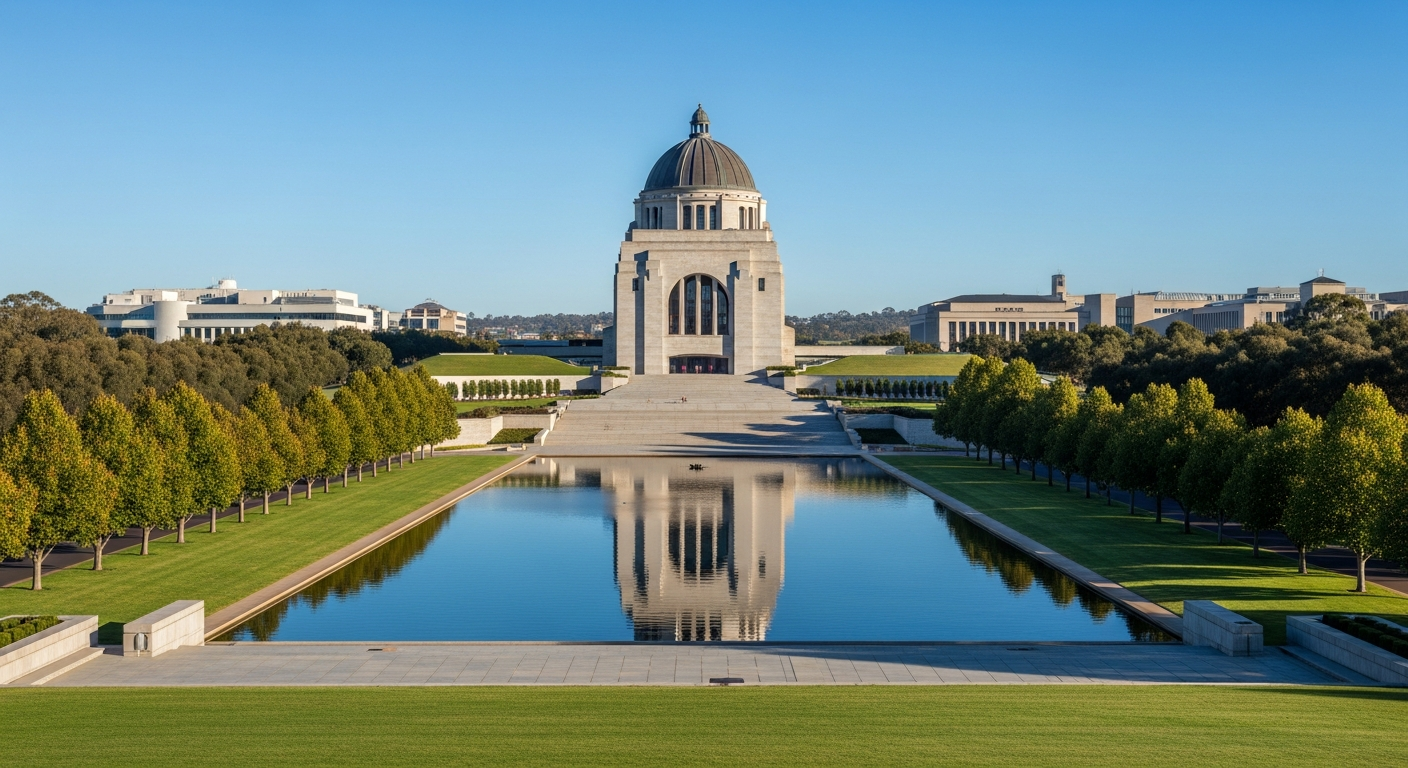
Canberra is home to the greatest concentration of cultural institutions in Australia. As the nation's capital, it houses the country's most significant museums, galleries, and memorials - and remarkably, almost all of them are free to enter. From the deeply moving Australian War Memorial to the world-class collections of the National Gallery of Australia and the hands-on science fun of Questacon, Canberra offers a cultural experience unmatched by any other Australian city. You could easily spend a week exploring the capital's institutions and still not see everything.
Getting There
Canberra's major museums and galleries are concentrated around the Parliamentary Triangle and the lake foreshore, making them easy to visit on foot or by bike. Most are within a few kilometres of each other. The ACTION bus network connects all major institutions, and there is free parking at most sites. If arriving from interstate, Canberra Airport is just 10 minutes from the city, with direct flights from Sydney, Melbourne, Brisbane, and Adelaide.
Australian War Memorial
The Australian War Memorial is consistently voted Australia's most significant and moving cultural institution. Combining a shrine, a world-class museum, and an extensive archive, the War Memorial tells the story of Australians in conflict from the colonial era to the present day:
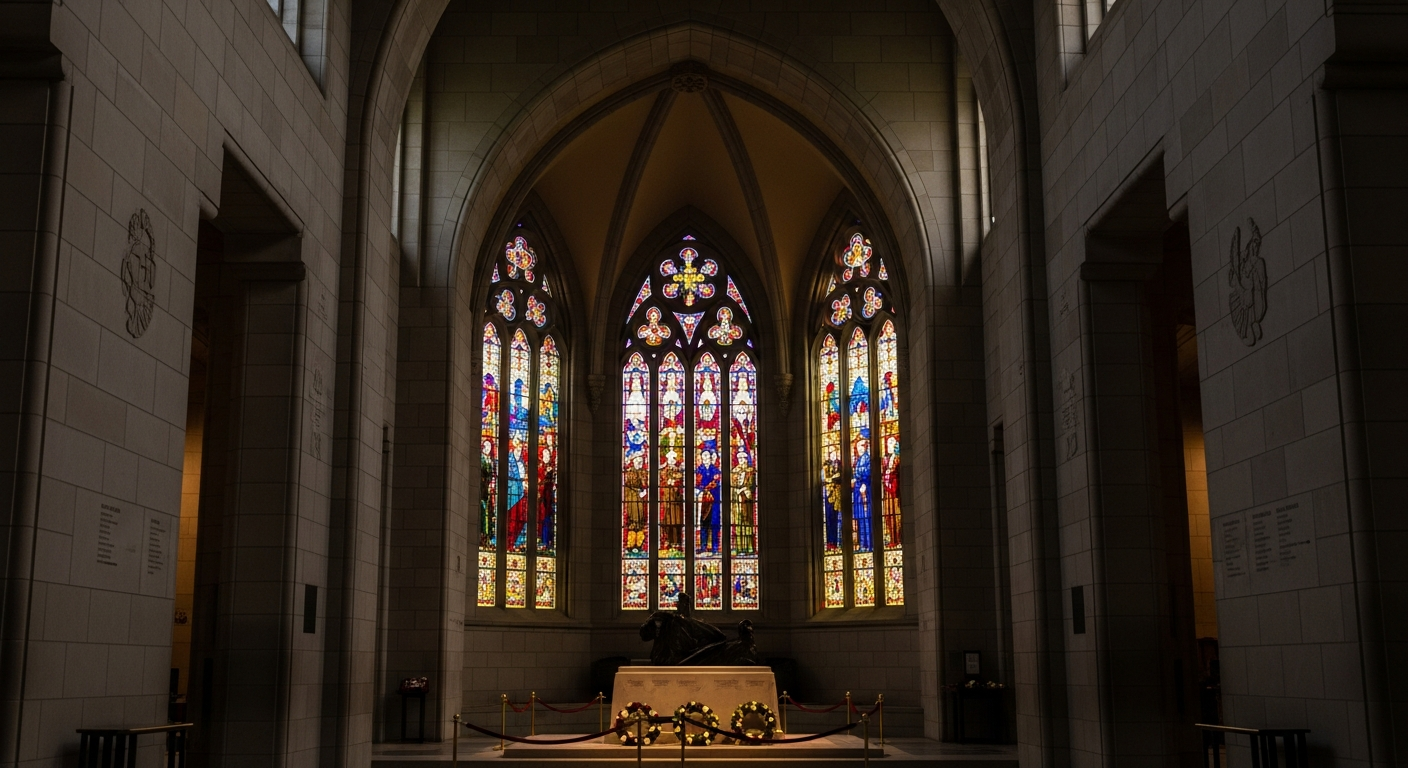
- The Hall of Memory: The heart of the memorial, containing the Tomb of the Unknown Australian Soldier beneath a stunning Byzantine-inspired dome decorated with mosaic.
- Galleries: Extensive permanent galleries cover World War I (including a recreation of the trenches), World War II, the Korean War, Vietnam, and contemporary conflicts. The displays combine personal stories, artefacts, and immersive dioramas.
- Last Post Ceremony: Every evening at 4:45pm, a moving ceremony commemorates one individual from the Roll of Honour. The story of that person's service and sacrifice is read aloud, followed by the Last Post. Free and deeply moving - attend if you can.
- Anzac Parade: The grand ceremonial avenue linking the War Memorial to Parliament House across the lake, lined with memorials to specific campaigns and services.
- Free entry: . Allow at least 3 hours, ideally a full day.
National Gallery of Australia
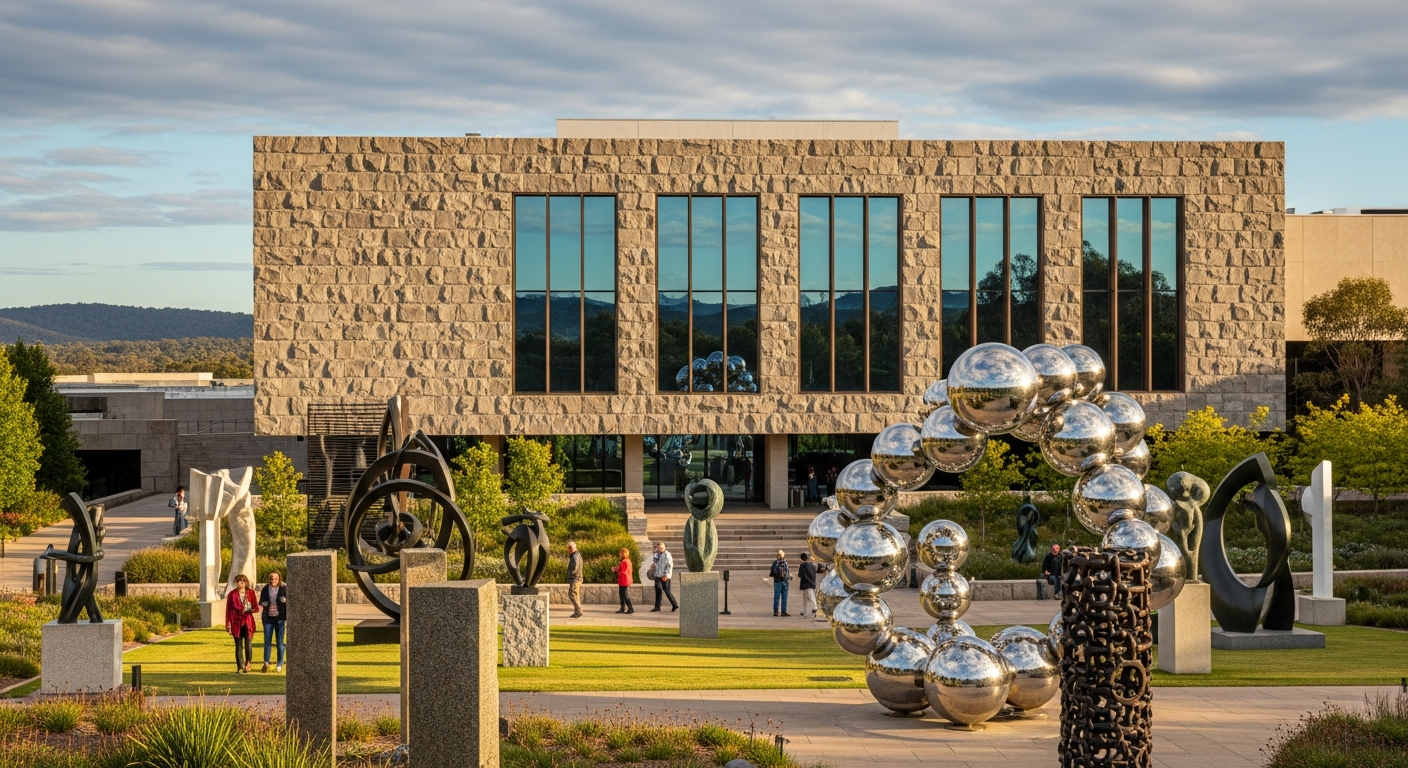
The National Gallery of Australia holds the country's most comprehensive collection of art, spanning Indigenous Australian art, European masters, Asian art, American art, and contemporary works:
- Aboriginal and Torres Strait Islander galleries: One of the world's most significant collections of Indigenous Australian art, from ancient bark paintings to contemporary masterworks.
- International collections: Works by Monet, Pollock, Warhol, Rothko, and Hockney, among many others.
- Australian art: Comprehensive collection from colonial times to the present, including the iconic "Blue Poles" by Jackson Pollock (purchased controversially in 1973 for $1.3 million - now valued at over $350 million).
- Sculpture Garden: A beautiful outdoor gallery featuring major works set among native gardens on the lake shore.
- Temporary exhibitions: The NGA regularly hosts major international touring exhibitions (ticketed). Check the website for current shows.
- Free entry: to the permanent collection. Allow 2-3 hours.
Questacon - National Science & Technology Centre
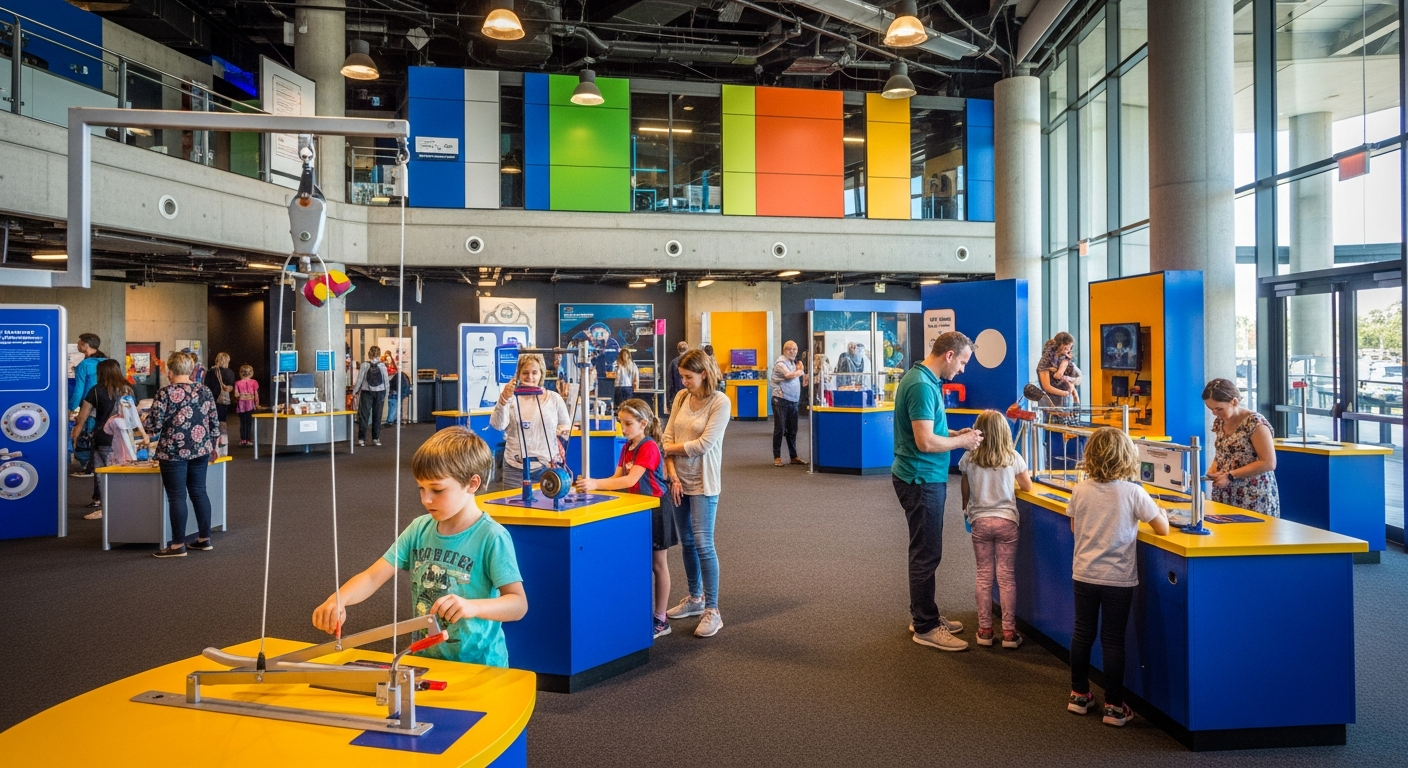
Questacon is one of Australia's most popular family attractions and one of the world's great science centres. With over 200 interactive exhibits spread across eight galleries, it makes science fun, accessible, and thrilling:
- Free Fall: A six-metre vertical slide that tests your nerve - the most popular exhibit in the building.
- Earthquake House: Experience what it feels like to be inside a house during an earthquake.
- Lightning Room: Watch one million volts of artificial lightning crackle in a spectacular live show.
- Mini Q: A dedicated space for children under six, with water play, building activities, and sensory experiences.
- Temporary exhibitions: Regularly changing exhibitions covering robotics, space, natural disasters, and more.
- Entry: Adults $23, children (4-16) $17.50, family passes available. Allow 2-3 hours.
National Museum of Australia
The National Museum of Australia tells the story of Australia - its land, its peoples, and its culture - through innovative and engaging exhibitions:
- First Australians gallery: A powerful and comprehensive exhibition telling the stories of Aboriginal and Torres Strait Islander peoples over 65,000 years.
- Great Southern Land: The story of Australia's natural environment, from ancient Gondwana to modern environmental challenges.
- The striking building: Designed by Ashton Raggatt McDougall, the building itself is a work of art, with its distinctive knot sculpture and colourful, post-modern architecture on the Acton Peninsula.
- Free entry: . Allow 2-3 hours.
National Portrait Gallery
The National Portrait Gallery celebrates the faces and stories of remarkable Australians through portraiture:
- Permanent collection: Over 2,700 works depicting Australians who have shaped the nation - from Indigenous leaders and explorers to artists, scientists, athletes, and everyday heroes.
- Temporary exhibitions: Regular exhibitions exploring portraiture and identity.
- The building: An elegant, purpose-built gallery with beautiful views over the Parliamentary Triangle.
- Free entry: . Allow 1-2 hours.
Other Institutions Worth Visiting
- National Library of Australia: Magnificent building with free exhibitions, a treasures gallery, and a stunning reading room. - Museum of Australian Democracy (Old Parliament House): The original parliament building (1927-1988), now a museum exploring Australian democracy. Interactive exhibits and the preserved Prime Minister's Suite. Free entry. - Australian National Botanic Gardens: 90 hectares of native gardens on the slopes of Black Mountain - the largest collection of Australian native plants in the world. Free entry. - Royal Australian Mint: Watch coins being made and strike your own coin. Free entry. - National Archives of Australia: Houses the nation's most important documents, with regular free exhibitions.
Where to Eat
- Portrait Cafe: (National Portrait Gallery): Excellent cafe with views over the Parliamentary Triangle. Great for lunch between gallery visits. Mains $22-32.
- Conservatory: (National Arboretum): Beautiful setting among the arboretum gardens. Seasonal menu with local produce. Mains $26-38.
- Bookplate: (National Library): Relaxed dining in the library grounds. Good coffee and light lunches. Mains $18-28.
- Commons: (New Acton): Short walk from the museum precinct. Creative share plates and natural wines. Mains $24-36.
Where to Stay
- Budget: Canberra YHA (central location, from $35 dorms/$110 private), Capital Executive Apartment Hotel (from $100).
- Mid-Range: QT Canberra (design-led hotel in New Acton, from $180), Mantra on Northbourne (from $140).
- Luxury: Hotel Hotel (New Acton, from $280), Hyatt Hotel Canberra (from $320).
Practical Tips
- Free entry: Most of Canberra's major institutions are free. Budget for Questacon, special exhibitions at the NGA, and meals. - Allow enough time: Many visitors underestimate how much there is to see. Allow at least two full days for the major museums and galleries. - War Memorial timing: Arrive early in the morning to avoid school groups. Stay for the Last Post Ceremony at 4:45pm. - Walking distances: The major institutions are spread around the lake. While walkable, distances between some institutions are 2-3km. Consider cycling or driving between clusters. - School holidays: Questacon and the National Museum are very popular during school holidays. Visit early or late in the day to avoid the biggest crowds.
AUBIS Tip
: Canberra's cultural institutions are genuinely world-class and mostly free - making the capital one of Australia's best-value destinations. Use AUBIS to plan your cultural itinerary - schedule your War Memorial visit to include the Last Post Ceremony, book tickets for Questacon and any special NGA exhibitions, and coordinate your gallery visits with lunch at one of the museum cafes. The platform will help you build an efficient museum-hopping itinerary that makes the most of your time in the capital.