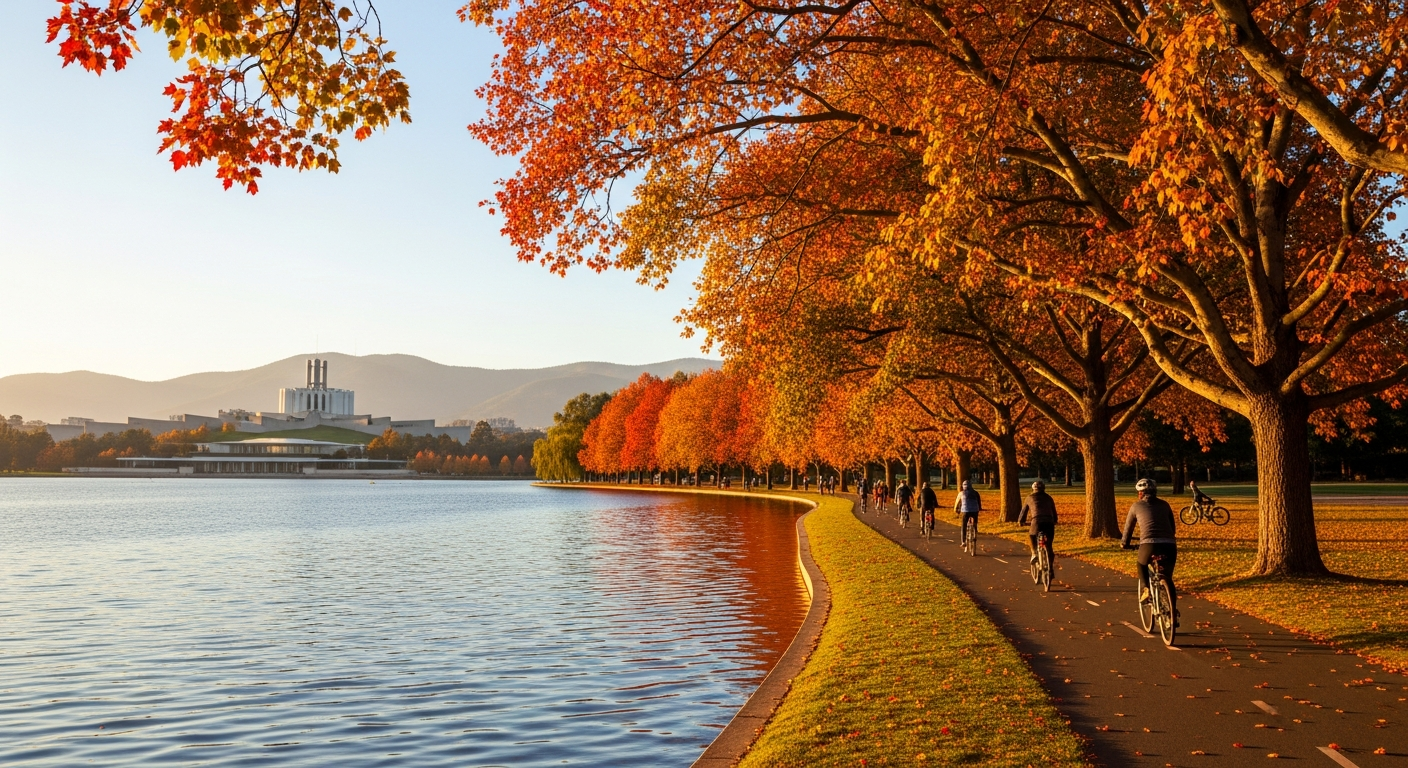
Canberra is one of Australia's most nature-rich capital cities - a planned urban landscape set within a ring of bushland reserves, nature parks, and mountain wilderness. Over half of the Australian Capital Territory is protected national park or nature reserve, giving residents and visitors extraordinary access to native wildlife, walking trails, cycling paths, and natural landscapes just minutes from the city centre. From the platypus-filled waterways of Tidbinbilla Nature Reserve to the panoramic views from Black Mountain Tower and the world-class collection of native plants at the Australian National Botanic Gardens, Canberra offers an outdoor experience that no other Australian capital can match.
Getting There
Canberra's nature attractions are spread across the ACT, with some easily accessible from the city centre and others requiring a short drive. The Australian National Botanic Gardens and Black Mountain are within 5 minutes of the CBD. Tidbinbilla Nature Reserve is about 40 minutes southwest of the city. Lake Burley Griffin runs through the heart of Canberra. A car is recommended for Tidbinbilla and the more remote reserves, but cycling and public transport can reach many closer attractions.
Tidbinbilla Nature Reserve
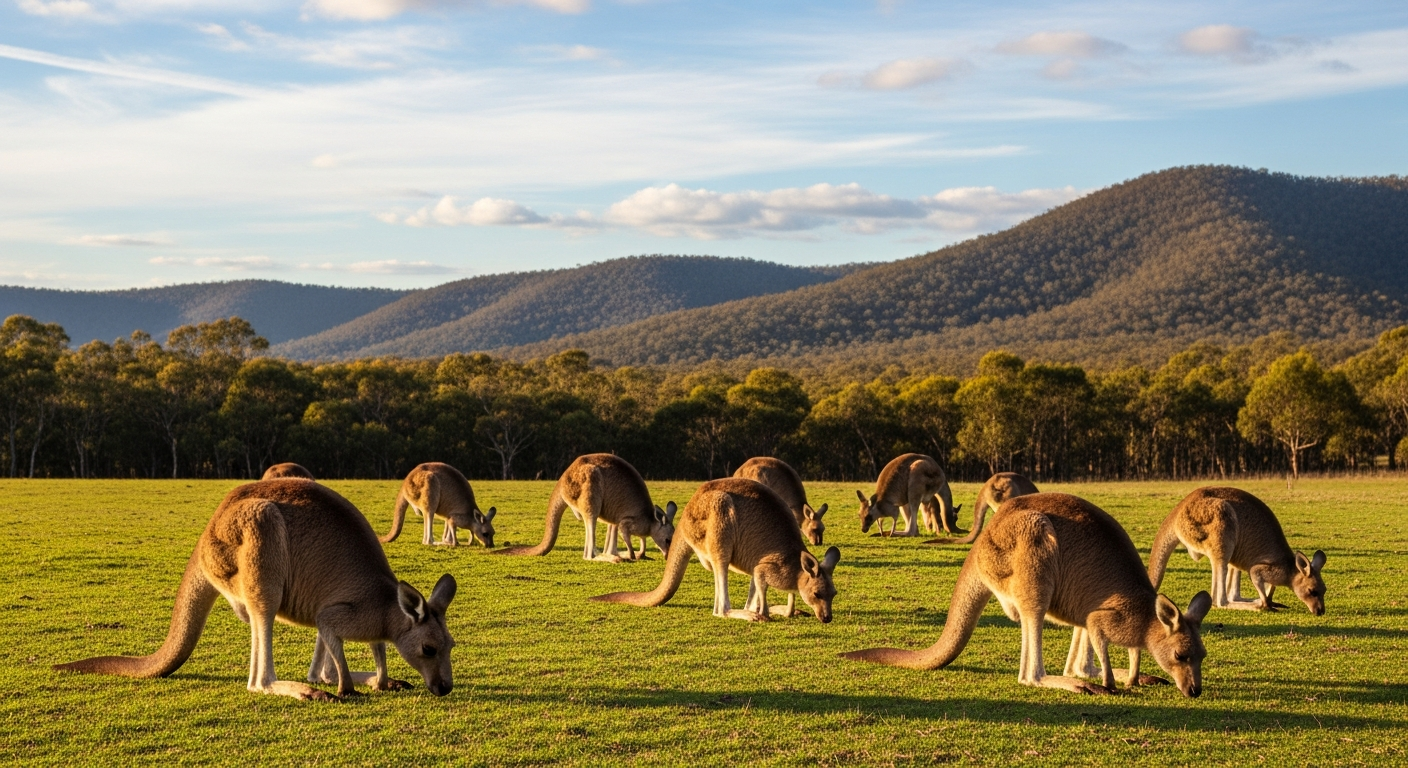
Tidbinbilla Nature Reserve is Canberra's premier nature destination - a 5,500-hectare reserve in the Tidbinbilla Valley, about 40 minutes southwest of the city centre. The reserve protects a remarkable diversity of Australian wildlife in a stunning mountain setting:
- Wildlife: Tidbinbilla is one of the best places near any Australian capital to see native animals in the wild. Kangaroos, wallabies, and emus roam freely through the valley. Platypus can be spotted in the creeks at dawn and dusk. Koalas are present in the eucalyptus woodlands, and the reserve supports populations of gang-gang cockatoos, king parrots, and superb lyrebirds.
- Sanctuary: A predator-proof fenced area within the reserve houses endangered species including brush-tailed rock-wallabies, eastern bettongs, and southern brown bandicoots.
- Walking trails: Over 30 kilometres of marked trails, from easy nature walks along the valley floor to challenging climbs into the surrounding mountains. The Dalsetta Nature Walk (1.6km, easy) is ideal for wildlife spotting, while the Gibraltar Peak Trail (7km return, moderate) offers panoramic views.
- Birrigai Rock Shelter: An Aboriginal rock shelter with evidence of human occupation spanning 21,000 years.
- Entry: $11.50 per vehicle. Open daily 9am-5pm (extended hours in summer). Allow at least half a day.
Australian National Botanic Gardens
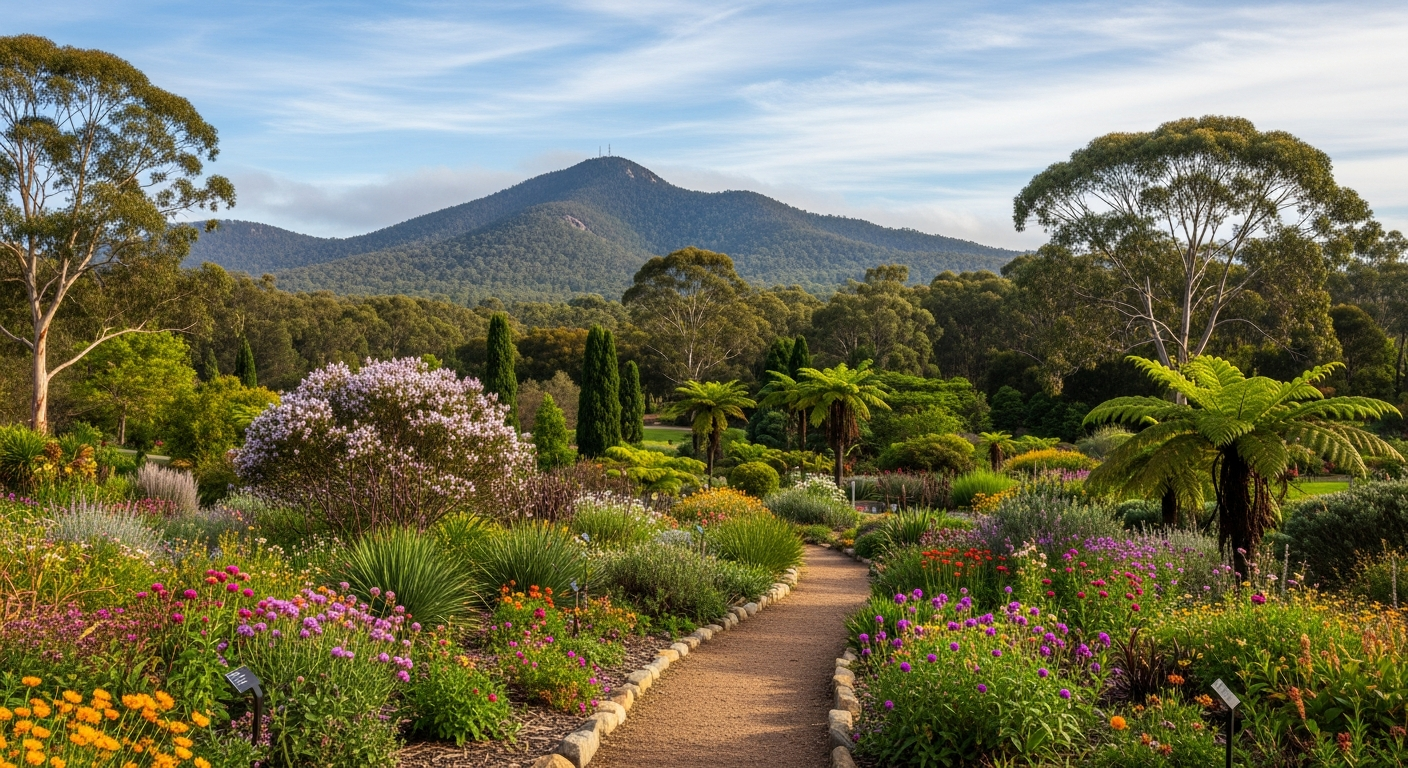
The Australian National Botanic Gardens, on the lower slopes of Black Mountain, house the largest living collection of Australian native plants in the world. Covering 90 hectares, the gardens showcase the extraordinary diversity of Australia's flora:
- Rainforest Gully: A lush, enclosed gully with mist sprayers creating a tropical atmosphere, featuring ferns, orchids, and palms from Australia's rainforest regions.
- Red Centre Garden: An arid landscape garden recreating the desert plants and rock formations of Central Australia.
- Eucalyptus lawn: Over 600 species of eucalyptus - the world's most comprehensive collection.
- Aboriginal Trail: A self-guided walk explaining traditional Aboriginal uses of native plants for food, medicine, tools, and ceremony.
- Walking trails: Several trails lead from the gardens up Black Mountain, connecting to the summit and Black Mountain Tower.
- Free entry: . Open daily 8:30am-5pm. Allow 1-2 hours for the gardens, longer if hiking up Black Mountain.
Black Mountain & Telstra Tower
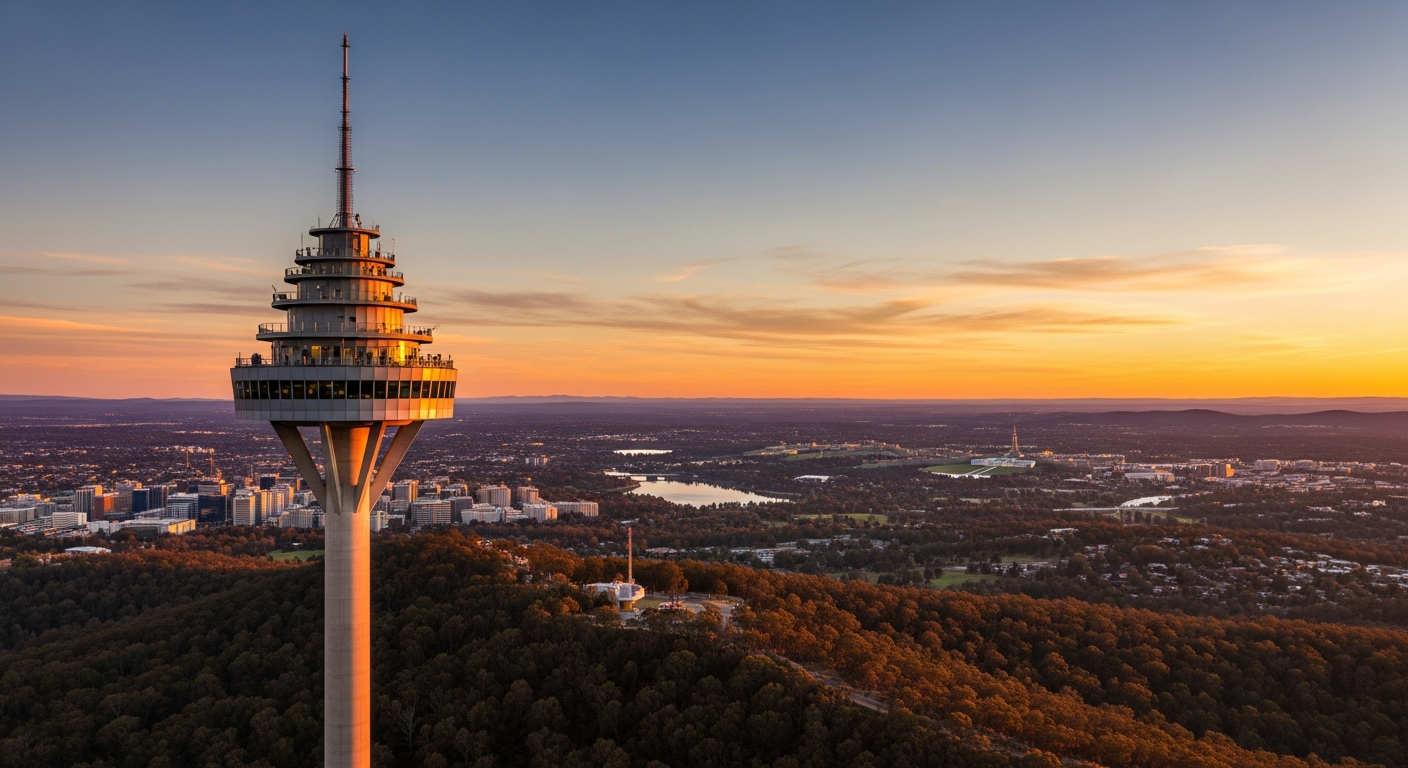
Black Mountain (812 metres) rises directly behind the city centre, providing a dramatic natural backdrop and Canberra's best panoramic viewpoint:
- Telstra Tower: The 195-metre telecommunications tower at the summit offers 360-degree views over Canberra, the Brindabella Ranges, and on clear days, the Snowy Mountains. An indoor viewing gallery and outdoor observation deck provide spectacular vistas. Entry: adults $7.50, children $3.
- Walking trails: Several trails lead to the summit from the Botanic Gardens and surrounding suburbs. The main summit trail from the Botanic Gardens is about 3km each way (moderate, allow 1.5 hours up).
- Mountain bike trails: Black Mountain has a network of mountain bike trails popular with local riders.
- Native bushland: The mountain is covered in dry eucalyptus forest and supports diverse birdlife, including gang-gang cockatoos, eastern rosellas, and kookaburras.
Lake Burley Griffin Cycling & Activities
Lake Burley Griffin is the recreational heart of Canberra, with a 28km sealed cycling and walking path circumnavigating the lake:
- Lake loop: The full 28km circuit passes most of Canberra's major attractions and takes about 1.5-2 hours by bike. The path is flat, sealed, and well-maintained.
- Bike hire: Several hire outlets around the lake offer bikes, e-bikes, and tandems. Mr Spokes Bike Hire near the National Library is the most established (from $20/hour, $50/full day).
- Kayaking and paddleboarding: Hire kayaks, SUPs, and pedal boats from outlets at Acton Park and Yarralumla.
- Swimming: The lake itself is not recommended for swimming, but nearby Cotter Reserve and Casuarina Sands on the Murrumbidgee River offer excellent river swimming in summer.
- Balloon flights: Hot air balloons launch from the lake shore at dawn, offering spectacular views over the Parliamentary Triangle and surrounding ranges. From $350 per person.
Other Nature Experiences
- Mulligans Flat Woodland Sanctuary: A predator-proof fenced reserve in Canberra's north, protecting critically endangered temperate woodland. Night walks (bookable, from $25) offer the chance to see eastern bettongs, greater gliders, and other nocturnal wildlife. - Jerrabomberra Wetlands: A birdwatching paradise on the eastern shore of Lake Burley Griffin, with over 200 bird species recorded. - National Arboretum Canberra: A 250-hectare arboretum with 44,000 trees from over 100 countries, planted on a hillside with spectacular views over the city. Free entry. The Pod Playground is popular with families. - Cotter Reserve: A popular swimming and picnic spot on the Cotter River, about 20 minutes west of the city centre.
Where to Eat
- Conservatory: (National Arboretum): Beautiful restaurant and cafe with sweeping views over the arboretum and city. Seasonal menu featuring local produce. Mains $28-40.
- Brodburger: (Kingston Foreshore): Canberra's legendary burger joint, housed in a shipping container by the lake. Worth the queue. Burgers $15-22.
- The Deck at Regatta Point: (Lake Burley Griffin): Lakeside dining with views of the Captain Cook Memorial Jet. Mains $24-36.
- Pialligo Estate: (near the airport): Farmgate cafe and restaurant set among olive groves and vineyards. Excellent brunch and lunch. Mains $26-38.
Where to Stay
- Budget: Canberra YHA (from $35 dorms/$110 private), Blue & White Lodge (from $85).
- Mid-Range: Brassey Hotel (heritage hotel in Barton, from $150), Midnight Hotel Braddon (from $180).
- Luxury: Jamala Wildlife Lodge (sleep next to enclosures at the National Zoo, from $600 - a unique experience), Hotel Hotel (from $280).
Practical Tips
- Wildlife timing: For the best wildlife sightings at Tidbinbilla, visit early morning or late afternoon. Platypus are most active at dawn and dusk. - Cycling gear: If planning the lake loop, bring sunscreen, water, and a helmet (legally required in the ACT). E-bikes are available for those who prefer assistance. - Seasons: Autumn (March-May) is spectacular in Canberra, with golden foliage throughout the city. Spring brings Floriade and wildflowers. Summer can be very hot (35°C+). Winter mornings can drop below 0°C. - Mulligans Flat night walks: Book in advance - these popular guided walks fill up quickly, especially on weekends. - Combining nature with culture: Many of Canberra's nature attractions are close to the museums and galleries, making it easy to combine outdoor and cultural activities in a single day.
AUBIS Tip
: Canberra's nature reserves and outdoor activities are world-class and surprisingly accessible from the city centre. Use AUBIS to plan your outdoor Canberra adventure - book a morning visit to Tidbinbilla for wildlife, schedule a bike hire for the lake loop in the afternoon, and add a Mulligans Flat night walk. The platform will help you combine nature experiences with Canberra's cultural attractions for a balanced and rewarding itinerary.