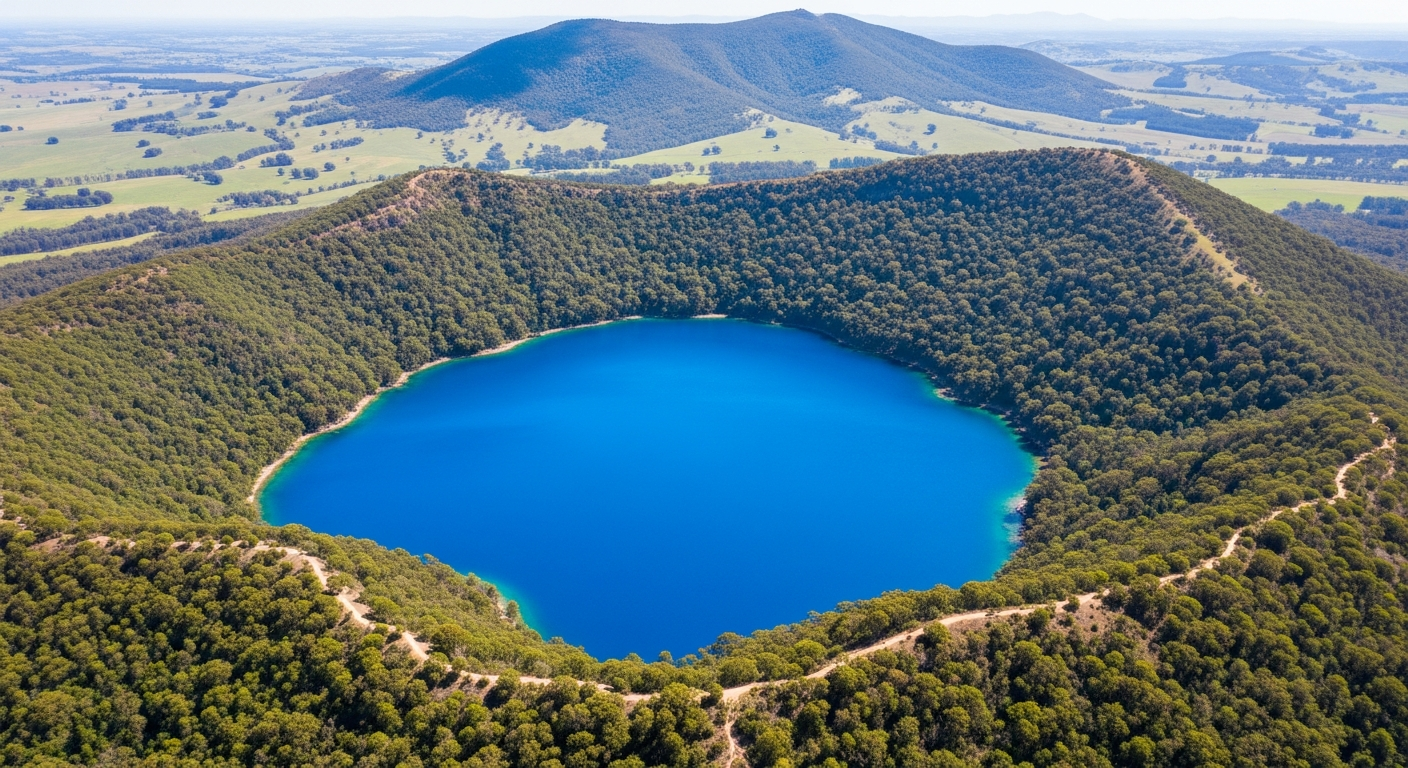
Mount Gambier is one of South Australia's most visually striking destinations - a regional city built on the slopes of an extinct volcano, famous for its brilliant Blue Lake, remarkable sinkholes, and the dramatic Limestone Coast that stretches to the Victorian border. The Blue Lake undergoes an extraordinary transformation each November, changing from steel grey to a vivid, almost unbelievable cobalt blue - a phenomenon that remains not fully explained by science. Below the surface, Mount Gambier sits above one of the world's most spectacular cave diving systems, attracting divers from around the globe. The surrounding Limestone Coast wine region, the Naracoorte Caves World Heritage Area, and the Coorong National Park add further depth to this often-overlooked corner of South Australia.
Getting There
Mount Gambier is located approximately 450km southeast of Adelaide, near the South Australia-Victoria border. The drive from Adelaide takes about 4.5-5 hours via the Princes Highway through the Coorong, or via the inland route through Naracoorte. Rex Airlines operates daily flights from Adelaide to Mount Gambier (about 1 hour). Mount Gambier is also about 4 hours from Melbourne via the Great Ocean Road or the inland highway. A car is essential for exploring the region.
Blue Lake
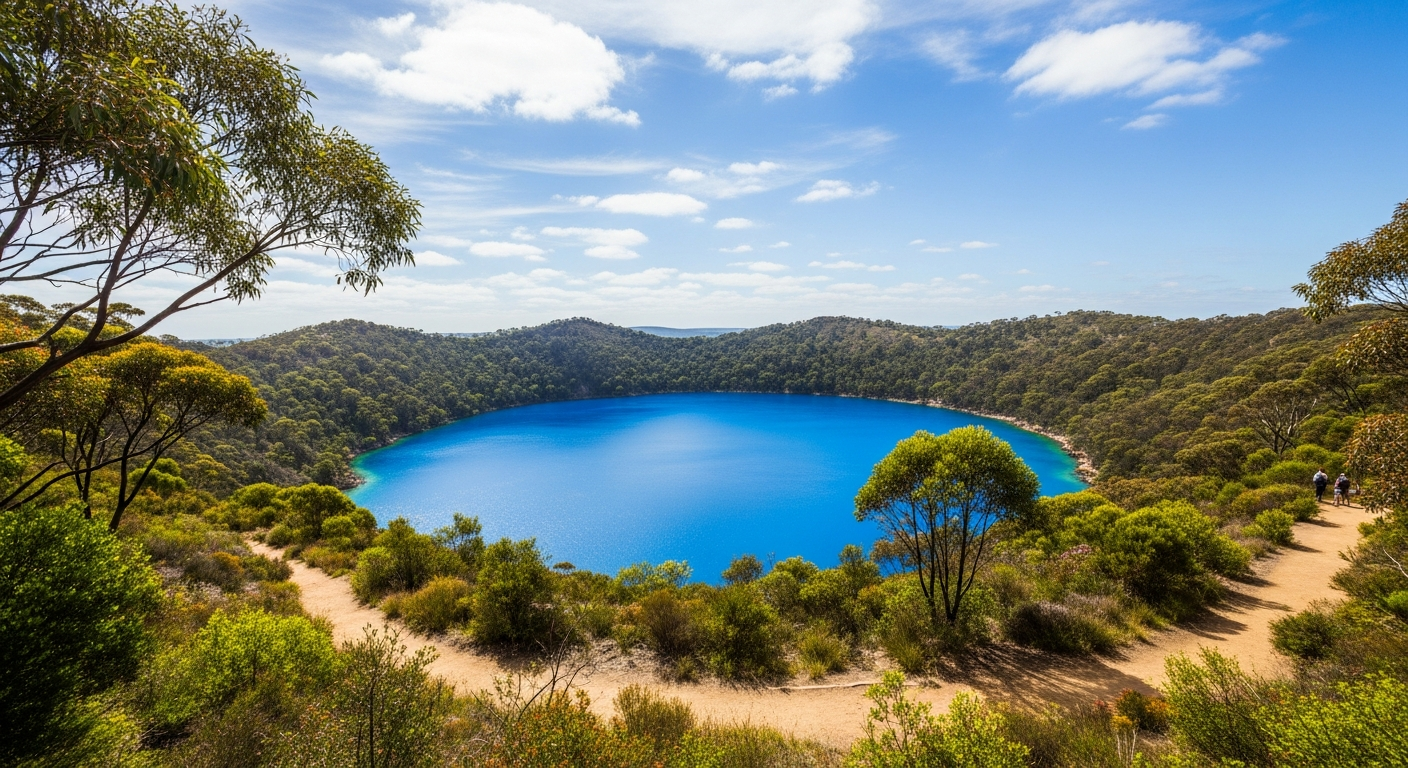
The Blue Lake is Mount Gambier's crown jewel - a large crater lake that fills one of the volcano's three craters. The lake is approximately 75 metres deep and holds 36 billion litres of water, which serves as the city's drinking water supply. The most remarkable feature is the lake's annual colour change:
- November to March: The lake turns a vivid, brilliant cobalt blue - one of the most intense natural colours you will ever see. The exact cause is debated, but it's related to calcite crystal formation as the water warms.
- April to October: The lake returns to a steel grey or blue-grey colour.
- Blue Lake Circuit: A 3.6km walking and driving circuit around the crater rim, with several lookout points offering different perspectives. The best views are from the main lookout on the eastern side.
- Aquifer Tours: Glass-panelled lift tours descend into the limestone aquifer beneath the city, offering a unique underground water experience.
Umpherston Sinkhole
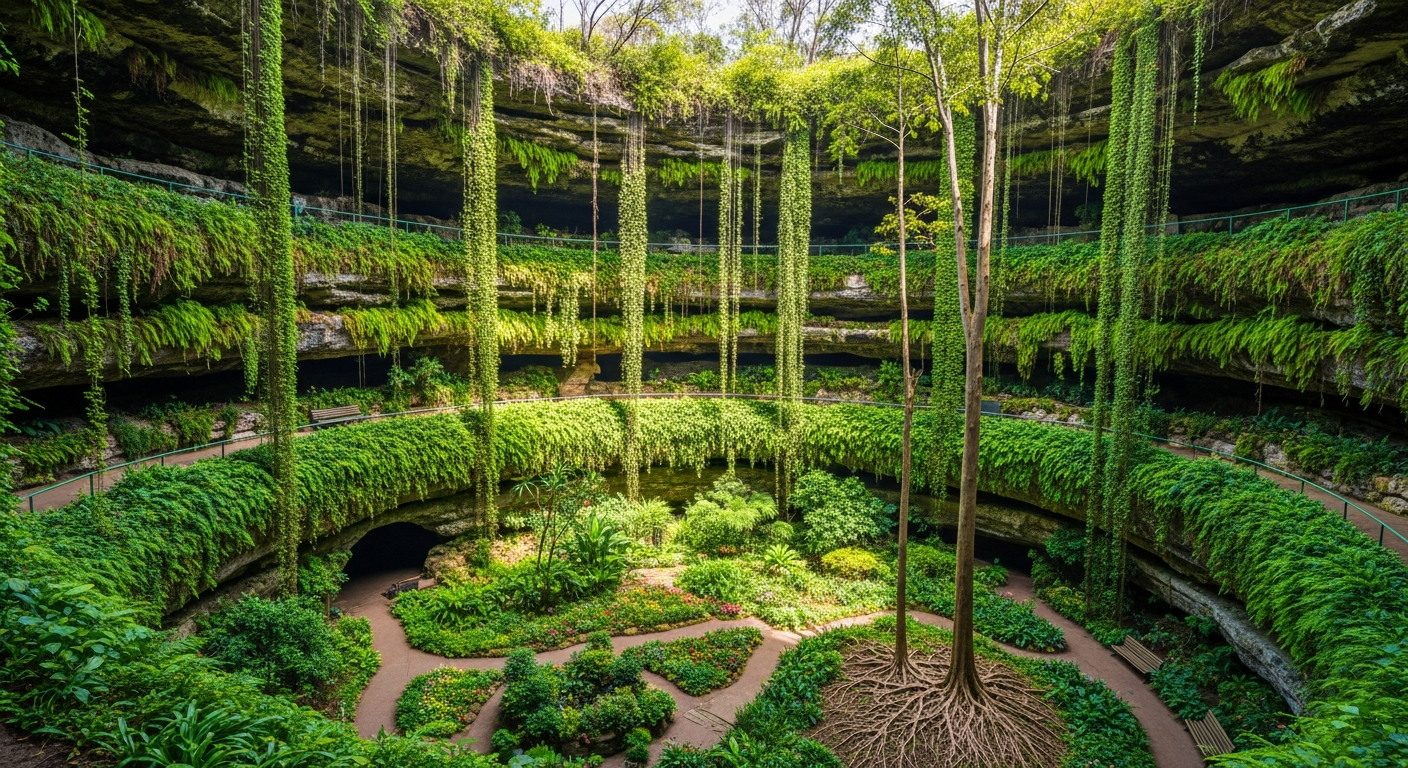
Umpherston Sinkhole is one of Mount Gambier's most enchanting attractions - a large limestone sinkhole that has been transformed into a beautiful sunken garden. The sinkhole collapsed thousands of years ago, and in the 1880s, local James Umpherston began planting a garden in its depths. Today, it's a lush paradise of hanging gardens, ferns, hydrangeas, and rose terraces, with viewing platforms around the rim and pathways down into the garden floor.
At dusk, the sinkhole comes alive with possums that emerge from the surrounding bush to be hand-fed. The possums are accustomed to visitors and will climb onto your arms and shoulders for food. Free entry, open 24 hours.
Other sinkholes worth visiting: - Cave Garden: A sinkhole in the centre of town with a rose garden, viewing platform, and evening light show. - Engelbrecht Cave: A stunning cave system open for guided tours and one of the world's most accessible cave diving sites.
Cave Diving & Caves
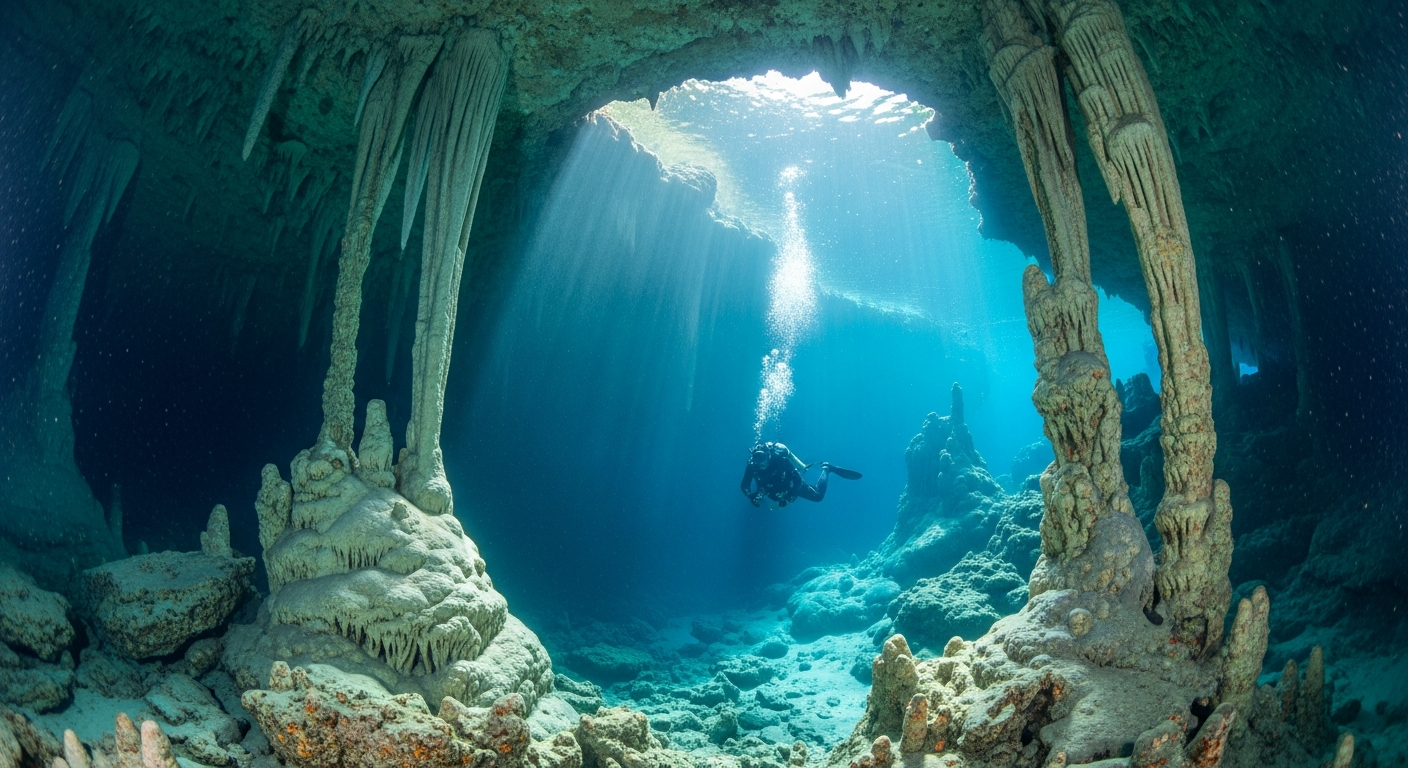
Mount Gambier is one of the world's premier cave diving destinations. The limestone geology has created an extraordinary network of underground waterways, sinkholes, and caves that attract divers from around the globe:
- Kilsby Sinkhole: A water-filled sinkhole with extraordinary visibility (up to 40 metres). Qualified cave divers can explore the system, while snorkellers can float on the surface and look down into the crystal-clear depths. Snorkelling tours from $95, cave diving from $195.
- Engelbrecht Cave: Guided walking tours take you through a spectacular cave system with underground pools. Open for both walking tours ($18) and cave diving (certified divers only).
- Tantanoola Caves: Beautiful limestone caves about 25km from Mount Gambier, with guided tours through chambers of stalactites, stalagmites, and fossils. Entry $14.
- Naracoorte Caves: A World Heritage-listed site about 100km north of Mount Gambier, with spectacular caves containing fossil deposits spanning 500,000 years. Guided tours through several caves, including the Victoria Fossil Cave with its remarkable megafauna fossils. Entry from $20.
Limestone Coast Wine Region
The Limestone Coast is one of South Australia's most important wine regions, producing exceptional Cabernet Sauvignon, Shiraz, and Chardonnay from the famous terra rossa soils:
- Coonawarra: About 60km north of Mount Gambier, Coonawarra is Australia's most famous Cabernet Sauvignon region. The distinctive red soil over limestone produces wines of incredible depth and elegance. Visit cellar doors including Wynns, Hollick, and Majella.
- Penola: The charming town adjacent to Coonawarra, with heritage architecture and excellent restaurants.
Where to Eat
- The Barn Steakhouse: (Mount Gambier): One of the region's best restaurants, housed in a converted stone barn. Excellent local beef and seafood. Mains $32-48.
- Metro Bakery & Cafe: Popular local cafe with excellent coffee and pastries.
- Picanté: (Mount Gambier): Italian and Mediterranean cuisine. Good pizza and pasta. Mains $22-36.
- Hollick Estates Restaurant: (Coonawarra): Fine dining in the wine region. Mains $34-48.
- Jens Hotel: (Mount Gambier): Heritage hotel with a reliable bistro. Mains $22-36.
Where to Stay
- Budget: Blue Lake Holiday Park (cabins and camping, from $30 powered sites/$100 cabins), Mount Gambier Central Caravan Park.
- Mid-Range: The Commodore on the Park (motel with views of the Blue Lake crater, from $130), The Barn Accommodation (from $160).
- Luxury: Colhurst House (heritage B&B, from $220), Bellum Hotel (boutique accommodation, from $250).
Practical Tips
- Blue Lake timing: Visit between November and March to see the lake at its bluest. Early morning light is best for photography. - Cave diving: Only certified cave divers can access the underwater systems. If you're a diver, bring your certifications. Non-divers can snorkel at Kilsby Sinkhole or take walking tours of Engelbrecht Cave. - Coonawarra detour: Allow at least half a day for a Coonawarra wine tasting trip - the cellar doors are compact and close together. - Weather: Mount Gambier has a cool, wet climate by South Australian standards. Summers are mild (15-25°C), winters cool and wet (5-12°C). Rain gear is recommended year-round. - Coorong: If driving from Adelaide, consider a detour through Coorong National Park - a stunning coastal lagoon system stretching for over 100km.
AUBIS Tip
: Mount Gambier is a hidden gem that combines natural wonders with world-class wine and unique underground experiences. Use AUBIS to plan your Limestone Coast adventure - book a snorkelling tour at Kilsby Sinkhole, schedule cave tours at Naracoorte and Engelbrecht, and add Coonawarra wine tastings. The platform will help you coordinate your Mount Gambier visit with the Great Ocean Road or Adelaide for a diverse South Australian itinerary.