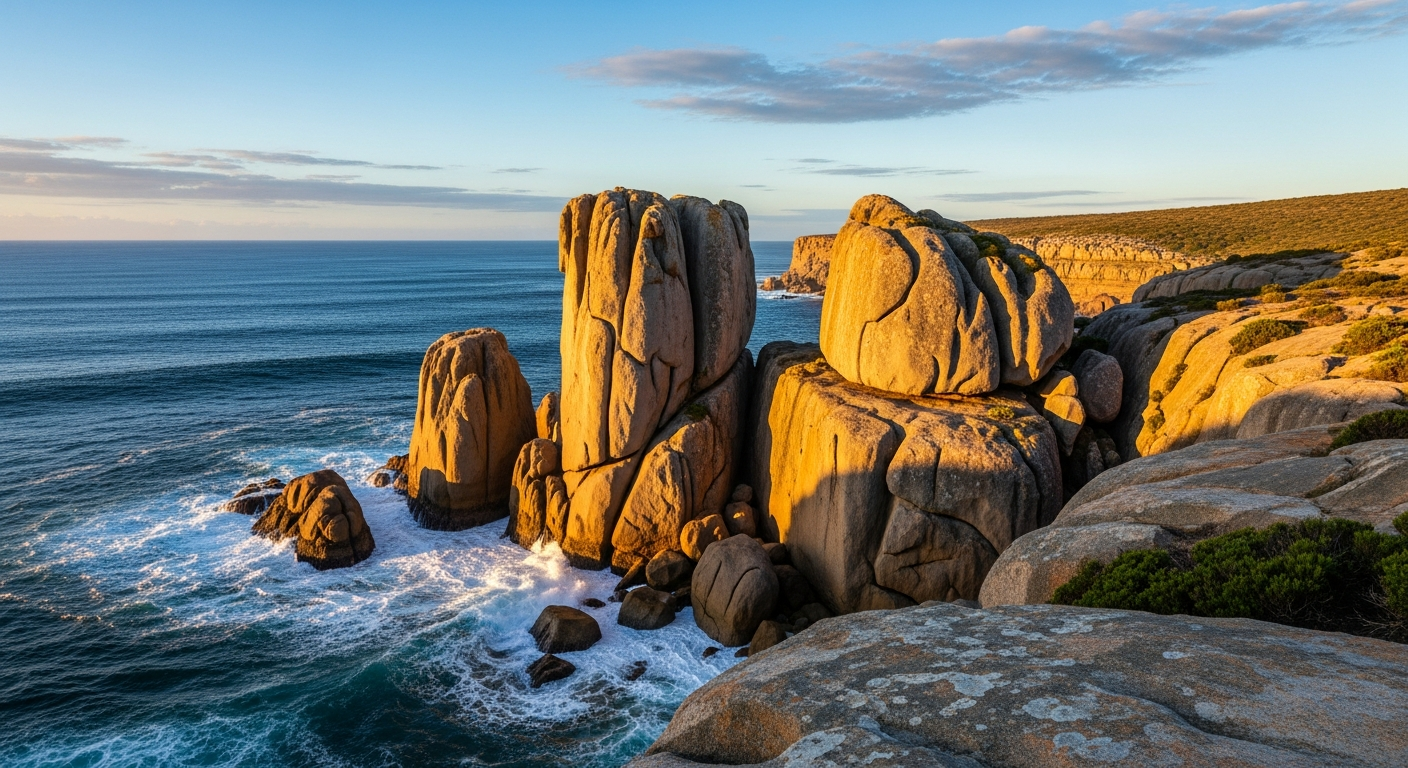
Kangaroo Island is Australia's third-largest island and one of its greatest wildlife and nature destinations. Located off the coast of South Australia's Fleurieu Peninsula, "KI" as locals call it is home to an extraordinary array of native animals - sea lions, fur seals, koalas, kangaroos, wallabies, echidnas, and an incredible diversity of birdlife. The island's dramatic coastline features towering cliffs, pristine white-sand beaches, and sculpted granite formations. Flinders Chase National Park, Seal Bay Conservation Park, and Vivonne Bay are among the headline attractions, but the island also offers exceptional food and drink - local honey, gin, sheep's cheese, free-range eggs, and Ligurian bees found nowhere else on earth. Despite devastating bushfires in 2020, Kangaroo Island has recovered remarkably and is once again one of Australia's most compelling destinations.
Getting There
Kangaroo Island is accessible by sea and air:
- SeaLink Ferry: The most popular option. The ferry operates from Cape Jervis (about 90 minutes south of Adelaide) to Penneshaw on Kangaroo Island. The crossing takes 45 minutes. Multiple sailings daily. Book well in advance in peak season (December-January). Vehicle and passenger fares apply.
- Rex Airlines: Flights from Adelaide to Kingscote Airport take about 30 minutes. Daily services. More expensive than the ferry but much faster.
- Once on the island, a car is essential. The island is 155km long and 55km wide, with limited public transport. Roads are a mix of sealed and unsealed - a 2WD vehicle is fine for most attractions, but a 4WD opens up more remote areas.
Remarkable Rocks
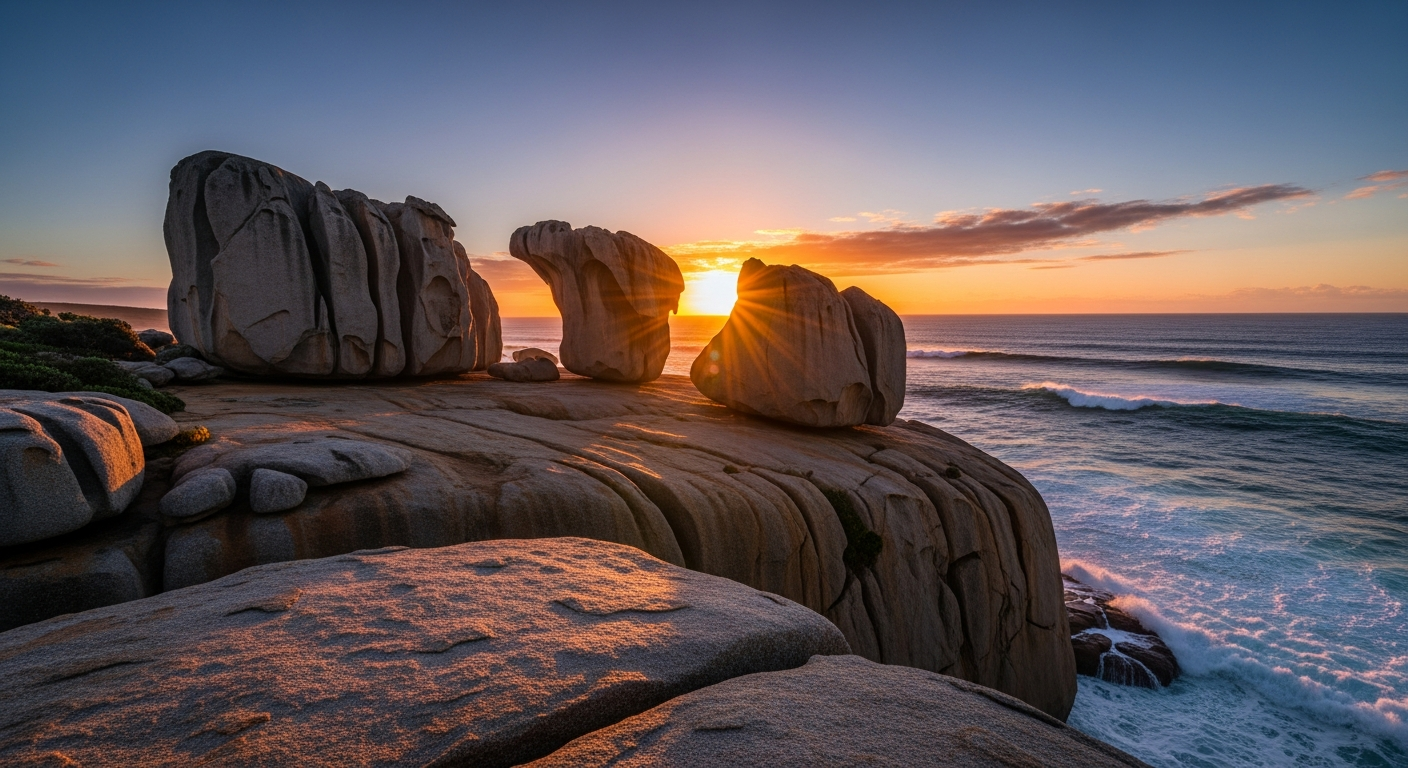
Remarkable Rocks in Flinders Chase National Park is Kangaroo Island's most iconic landmark. This cluster of enormous granite boulders has been sculpted by wind, rain, and sea spray over 500 million years into extraordinary shapes perched on a massive dome of granite above the Southern Ocean. The rocks are covered in orange lichen and offer dramatic photo opportunities, especially at sunrise and sunset when the light transforms the colours. A short walk from the car park leads to the rocks - allow at least 30-45 minutes to explore.
Nearby, Admirals Arch is another must-see - a spectacular natural rock arch formed by centuries of erosion, home to a colony of New Zealand fur seals. A boardwalk descends to the viewing platform where you can watch seals playing in the surf below.
Seal Bay Conservation Park
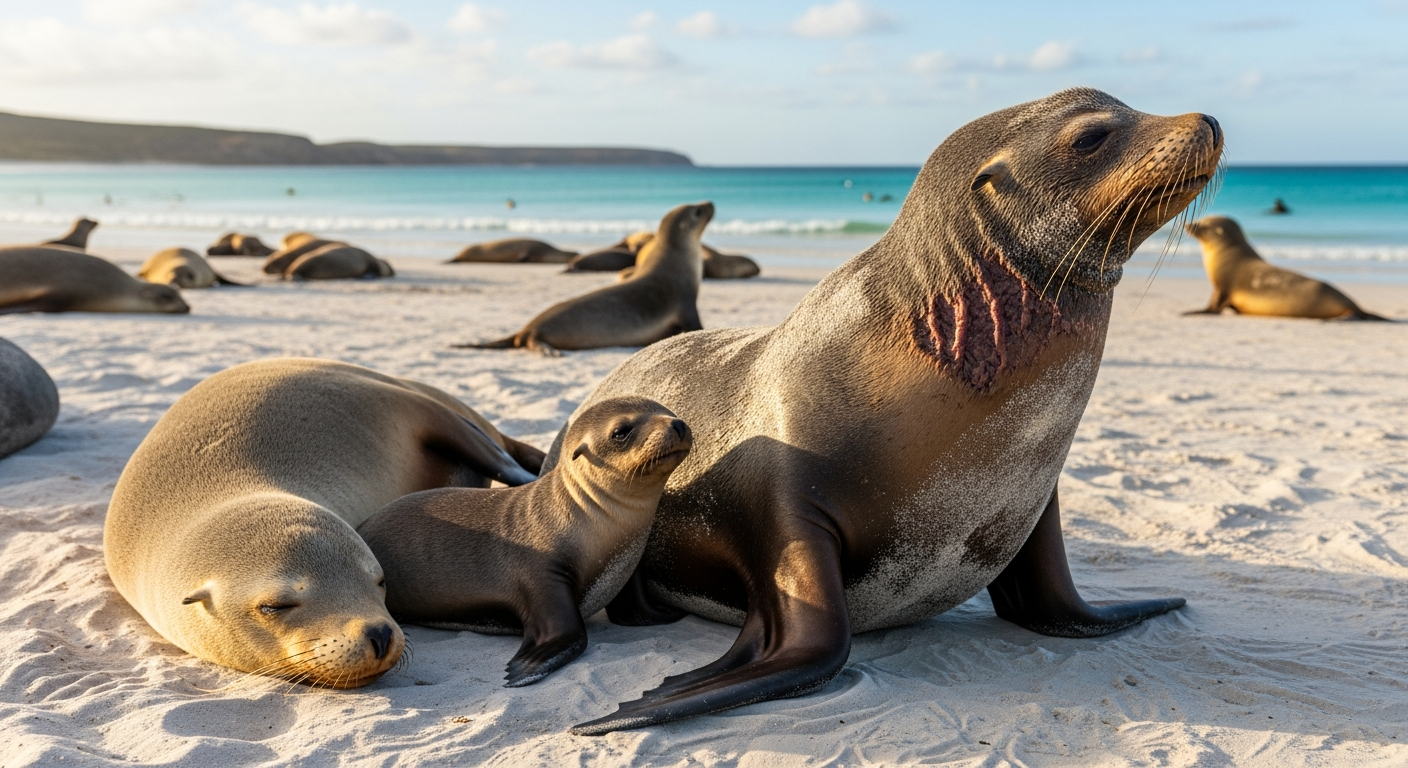
Seal Bay is one of the few places in the world where you can walk on a beach among wild Australian sea lions. This endangered species has one of its largest colonies here, with about 800 animals using the bay for resting between fishing expeditions in the Southern Ocean. Guided beach tours (from $37 adults) take you onto the sand to observe the sea lions from close range - you'll see mothers nursing pups, bulls guarding their territory, and juveniles playing in the waves. A self-guided boardwalk option is also available ($16). The interpretive centre provides excellent background on sea lion biology and conservation.
Vivonne Bay & South Coast
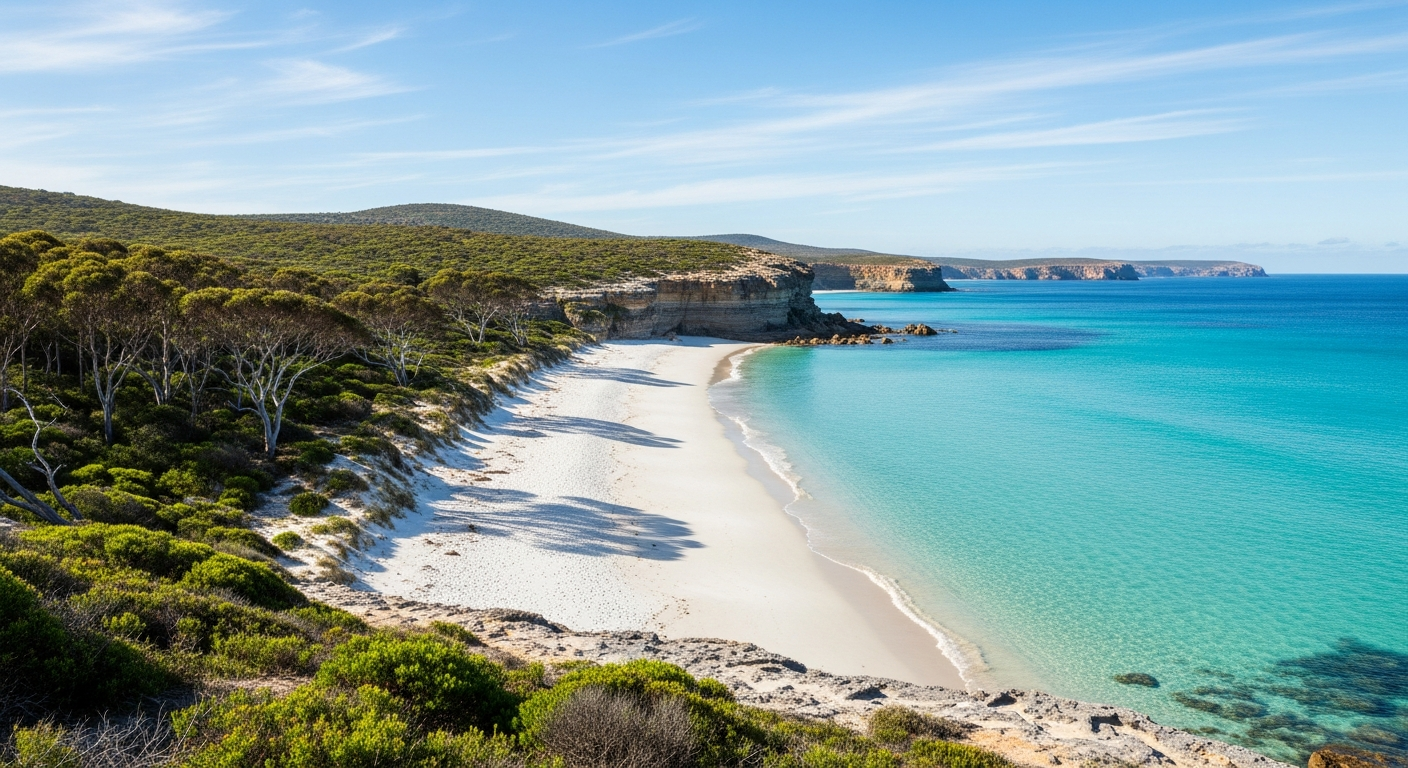
Vivonne Bay has been voted Australia's best beach - a sweeping arc of brilliant white sand, crystal-clear turquoise water, and a river estuary perfect for kayaking. The beach is largely deserted even in peak season, offering a genuine sense of wilderness. Other south coast highlights include:
- Little Sahara: Enormous white sand dunes rising from the bush, perfect for sandboarding and tobogganing. Board hire is available nearby.
- Hanson Bay Wildlife Sanctuary: One of the best places to see koalas in the wild, plus guided nocturnal tours to spot possums, kangaroos, and other wildlife.
- Kelly Hill Caves: Limestone caves with guided tours through chambers of stalactites, stalagmites, and helictites. Tours from $18.
Flinders Chase National Park
Beyond Remarkable Rocks and Admirals Arch, Flinders Chase National Park offers:
- Platypus Waterholes Walk: One of the few places in South Australia where you can spot platypus in the wild. Best at dawn and dusk.
- Cape du Couedic Lighthouse: Historic lighthouse at the island's southwest corner, with walking trails and spectacular coastal views.
- Rocky River: The park's main visitor area, home to Cape Barren geese, kangaroos, and the occasional echidna.
Where to Eat
- Kangaroo Island Spirits: (Cygnet River): Artisan distillery producing gin, vodka, and liqueurs from native botanicals. Tastings and cocktails.
- Dudley Wines: (Penneshaw): Cellar door with coastal views. Excellent Shiraz and Sauvignon Blanc.
- Marron Cafe: (American River): Fresh Kangaroo Island marron (freshwater crayfish) dishes. Mains $28-40.
- Vivonne Bay General Store: Legendary whiting burgers - crispy fresh fish in a bun on the beach. Essential.
- Islanders Restaurant: (Kingscote): Fine dining showcasing KI produce. Mains $36-52.
Where to Stay
- Budget: Kangaroo Island Wilderness Retreat (camping and basic cabins in Flinders Chase, from $25 camping/$110 cabins), Western KI Caravan Park (Vivonne Bay).
- Mid-Range: Kangaroo Island Seafront (Penneshaw, from $160), Mercure Kangaroo Island Lodge (American River, from $170).
- Luxury: Southern Ocean Lodge (rebuilt after 2020 fires - one of Australia's most acclaimed luxury lodges, from $2,200 per night all-inclusive), Lifetime Private Retreats (luxury self-contained villas, from $450).
Practical Tips
- Time: Allow at least 3-4 days. The island is large and there is much to see. - Fuel: Fill up at Kingscote, Penneshaw, or Parndana. Service stations are limited and hours can be restricted. - Wildlife on roads: Kangaroos, wallabies, and koalas are frequently on roads, especially at dawn and dusk. Drive slowly and carefully. - Unsealed roads: Many attractions are accessed via unsealed roads. Drive to conditions and allow extra time. - Bushfire recovery: The island has made a remarkable recovery from the 2020 fires, but some areas may still show fire scarring. Check current conditions.
AUBIS Tip
: Kangaroo Island is one of Australia's unmissable wildlife destinations. Use AUBIS to plan your KI adventure - book the SeaLink ferry, reserve a guided Seal Bay beach tour, schedule a Remarkable Rocks visit at sunset, and add a sandboarding session at Little Sahara. The platform will help you coordinate ferry times, accommodation, and experiences across this vast and spectacular island.