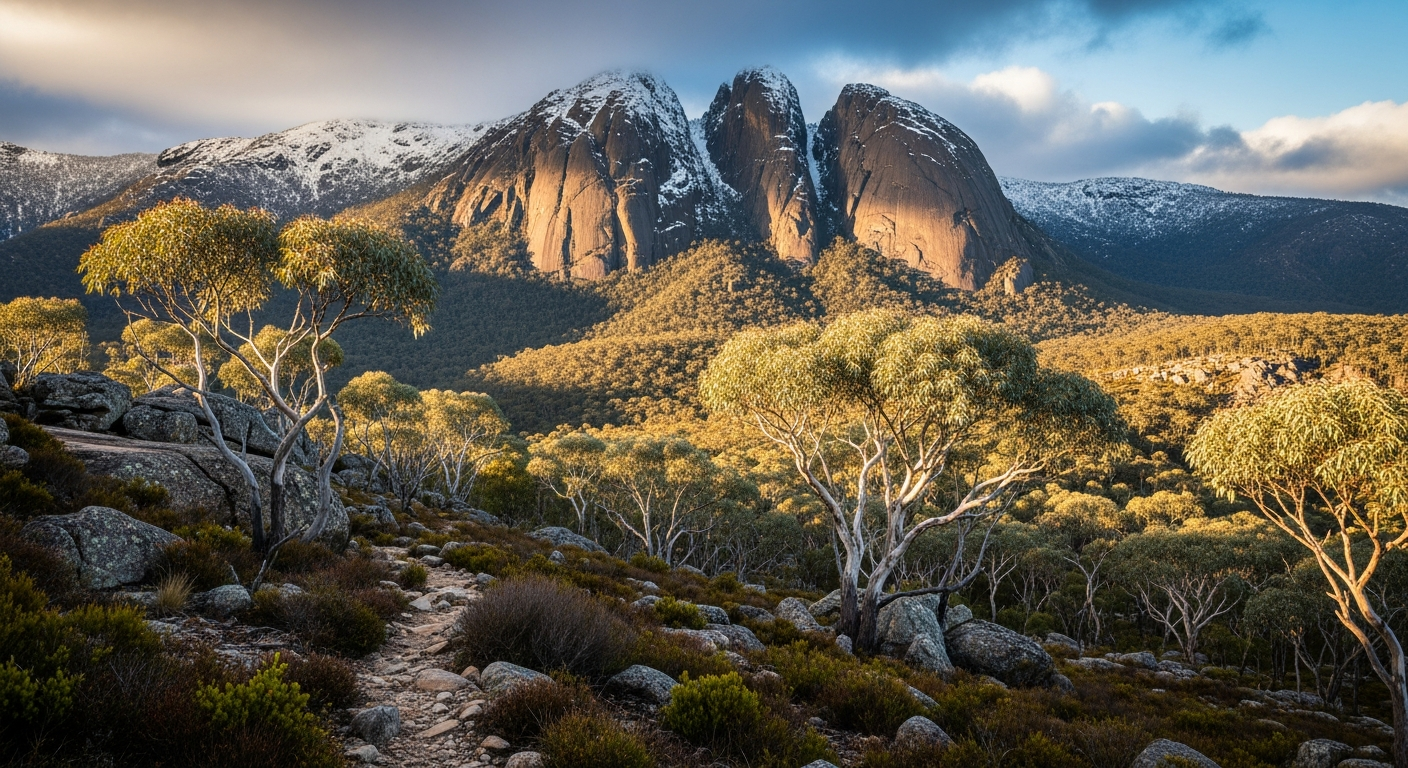
Namadgi National Park is one of Australia's great wilderness areas - a vast, mountainous landscape of granite peaks, snow gum woodlands, alpine meadows, and ancient Aboriginal rock art that covers almost half of the Australian Capital Territory. Just 45 minutes from Canberra's city centre, Namadgi protects 106,000 hectares of rugged bushland stretching south to the Brindabella Ranges and the border of Kosciuszko National Park. The park offers outstanding bushwalking, rock climbing, mountain biking, fishing, and wildlife encounters in a landscape that ranges from river valleys at 800 metres to alpine summits above 1,700 metres. Namadgi is part of the Australian Alps National Parks system and is recognised for its significance to the Ngunnawal people, who have lived in and cared for this country for over 25,000 years.
Getting There
Namadgi National Park begins just 35km south of Canberra's city centre. The main access road is the Naas Road from Tharwa, which leads to the Namadgi Visitor Centre (about 45 minutes from the CBD). The Corin Road provides access to the eastern side of the park and Corin Forest. The park is only accessible by car - there is no public transport. Roads within the park are a mix of sealed and unsealed, with some requiring 4WD in wet conditions. The Namadgi Visitor Centre on the Naas Road is the best starting point, with maps, track information, and displays about the park's ecology and Aboriginal heritage.
Yankee Hat Rock Art
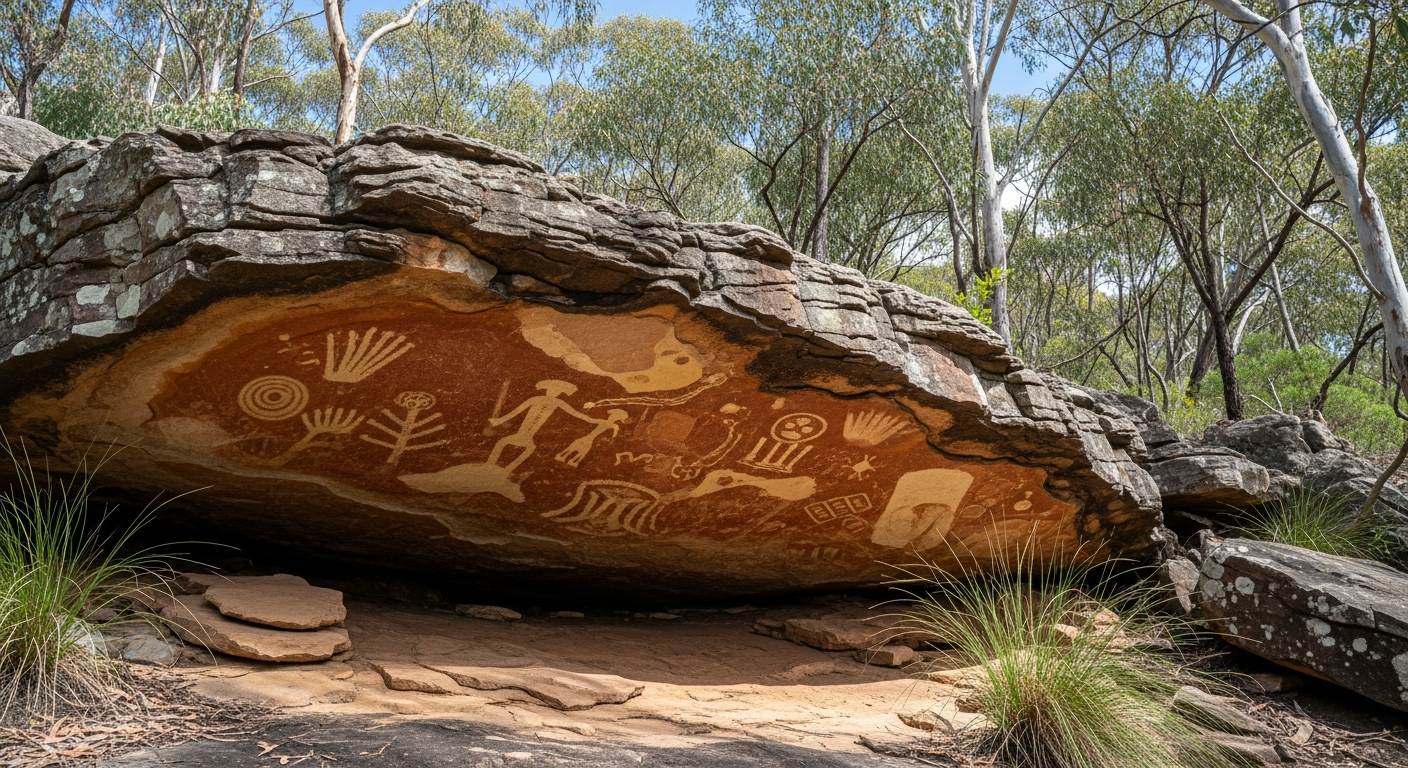
The Yankee Hat walking track leads to one of the most significant and accessible Aboriginal rock art sites in the ACT. The rock shelter contains a series of paintings believed to be over 4,000 years old:
- The walk: An easy 6km return walk through open woodland and grassland. Allow 2-3 hours return. The track is well-marked and relatively flat.
- The rock art: The shelter contains over 20 painted motifs, including human figures, kangaroos, dingoes, and abstract designs. The paintings are believed to have been created by the Ngunnawal people and their ancestors, who used the shelter as a camping and ceremonial site.
- Significance: The site demonstrates the deep and continuous connection of Aboriginal people to this landscape. Interpretive signage at the shelter explains the significance of the paintings and the broader cultural landscape.
- Respect: The rock art is irreplaceable. Stay behind the barriers, do not touch the paintings, and take care to leave the site as you found it.
Booroomba Rocks & Granite Peaks
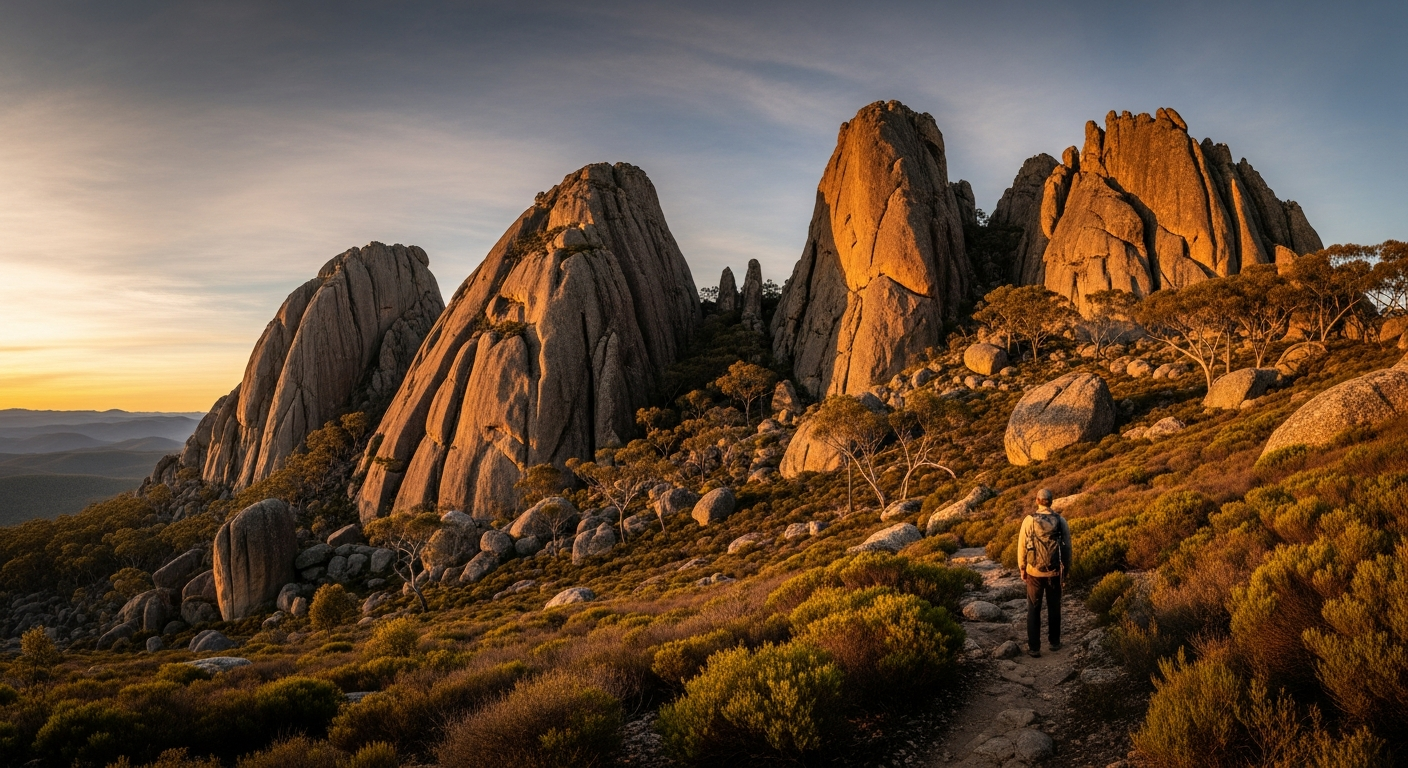
Booroomba Rocks is one of Namadgi's most spectacular natural features - a massive granite outcrop rising above the surrounding eucalyptus forest, offering extraordinary views over the Namadgi wilderness:
- Booroomba Rocks walk: A 3km return walk from the car park to the summit of the rocks. The trail passes through snow gum woodland before emerging onto the exposed granite. The final section involves some easy rock scrambling. Allow 1.5-2 hours return.
- Views: From the summit, you'll enjoy 360-degree panoramic views over the Cotter Valley, the Brindabella Ranges, and on clear days, the distant Snowy Mountains.
- Rock climbing: Booroomba Rocks is Canberra's most popular rock climbing destination, with numerous routes on the granite faces. Experienced climbers only - the rock is exposed and remote.
Square Rock
: Another excellent granite walk - an easy 4.6km loop trail passing through snow gum woodlands to a large rectangular granite formation. The walk offers beautiful wildflower displays in spring and early summer.
Snow Gum Woodlands & Alpine Landscapes
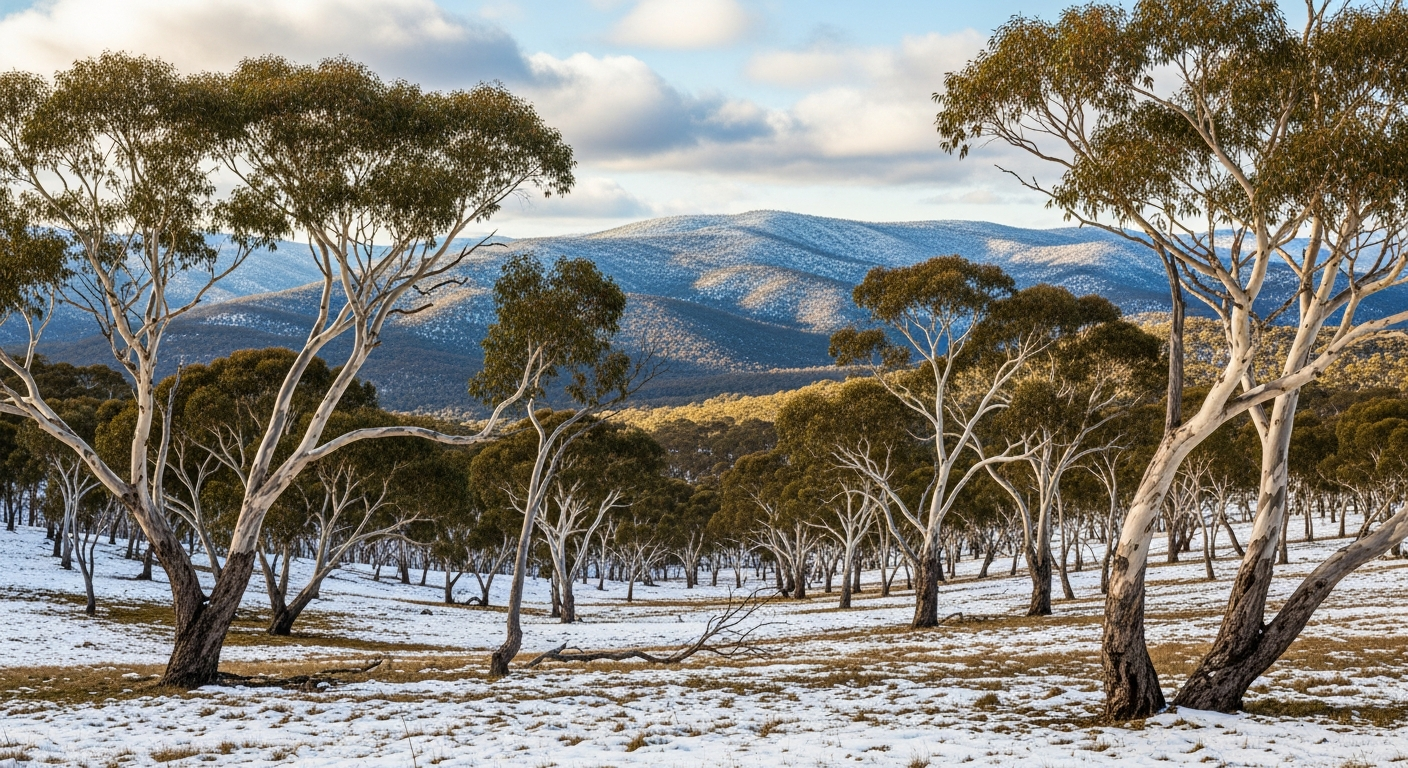
Namadgi's higher elevations support beautiful snow gum (Eucalyptus pauciflora) woodlands - one of Australia's most iconic alpine landscapes:
- Snow gum woodlands: The twisted, multi-coloured trunks of snow gums create a uniquely Australian landscape. The bark sheds in patches, revealing smooth surfaces in shades of cream, pink, grey, and olive green.
- Mount Franklin: At 1,646 metres, Mount Franklin is one of the highest points accessible by road in the ACT. The summit area has snow gum woodlands, alpine meadows, and occasional snow in winter. The Mount Franklin Road is unsealed and can be rough but is usually accessible in a standard car during summer.
- Alpine wildflowers: In spring and early summer (October-December), the alpine meadows burst with wildflowers, including native daisies, billy buttons, and orchids.
- Wildlife: Namadgi supports a diverse range of wildlife, including eastern grey kangaroos, swamp wallabies, wombats, echidnas, platypus (in the Cotter and Gudgenby rivers), gang-gang cockatoos, wedge-tailed eagles, and the endangered northern corroboree frog.
Corin Forest
Corin Forest, on the eastern edge of Namadgi, is a recreation area offering activities year-round:
- Winter: When conditions allow, Corin Forest operates a small snow play area with toboggan runs. It's the closest snow play to Canberra (about 45 minutes from the city).
- Summer: The Alpine Slide is a 1.2km bobsled-style ride through the forest (from $15 per ride). Mountain biking trails are also available.
- Bushwalking: Several trails lead from Corin Forest into the surrounding national park.
Where to Eat
- Tharwa General Store: (Tharwa): A small cafe at the gateway to Namadgi. Coffee, toasties, and basic supplies. A good stop before entering the park.
- Lanyon Homestead Cafe: (Tharwa): Light lunches and afternoon teas in a heritage setting near the park entrance. Mains $16-24.
- Pack a picnic: There are limited dining options near the park. Pack a picnic lunch and enjoy it at one of the park's designated picnic areas - Honeysuckle Creek, Woods Reserve, or the Namadgi Visitor Centre grounds.
Where to Stay
- Camping: Bush camping is permitted in designated areas throughout the park. Honeysuckle Creek campground is the most accessible, with basic facilities (pit toilets, no water). Free, no bookings required.
- Budget: Canberra YHA or budget motels in Canberra (35-45 minutes drive from the park). From $35 dorms/$95 private.
- Mid-Range: Canberra CBD hotels offer easy access to the park as a day trip. Brassey Hotel (from $150), Novotel Canberra (from $150).
- Unique: Tidbinbilla Nature Reserve has a nearby campground for those wanting to combine both reserves.
Practical Tips
- Weather: Mountain weather in Namadgi can change rapidly. Even in summer, temperatures at higher elevations can drop significantly. Carry warm layers, rain gear, and sun protection on all walks. In winter, snow can fall above 1,200 metres. - Water: Carry all the water you need - there are no reliable water sources on most walking tracks. The visitor centre has water available. - Fires: Check fire danger ratings before visiting. Total fire ban days may restrict access to parts of the park. In summer, bushfire risk can be extreme. - 4WD: Some park roads (including Mount Franklin Road and some fire trails) can be rough and may require 4WD, especially after rain. Check conditions at the visitor centre. - Mobile coverage: Mobile phone coverage is unreliable to non-existent in much of the park. Carry a map and let someone know your plans. - Combining with Tidbinbilla: Namadgi and Tidbinbilla Nature Reserve are adjacent. A full day could combine a morning wildlife walk at Tidbinbilla with an afternoon hike in Namadgi.
AUBIS Tip
: Namadgi National Park is an incredible wilderness experience just 45 minutes from the national capital. Use AUBIS to plan your Namadgi adventure - schedule a morning walk to Yankee Hat rock art, an afternoon hike to Booroomba Rocks, and combine it with a Tidbinbilla wildlife visit the following day. The platform will help you coordinate your park visits with Canberra accommodation and dining for a perfect nature-and-culture itinerary in the ACT.