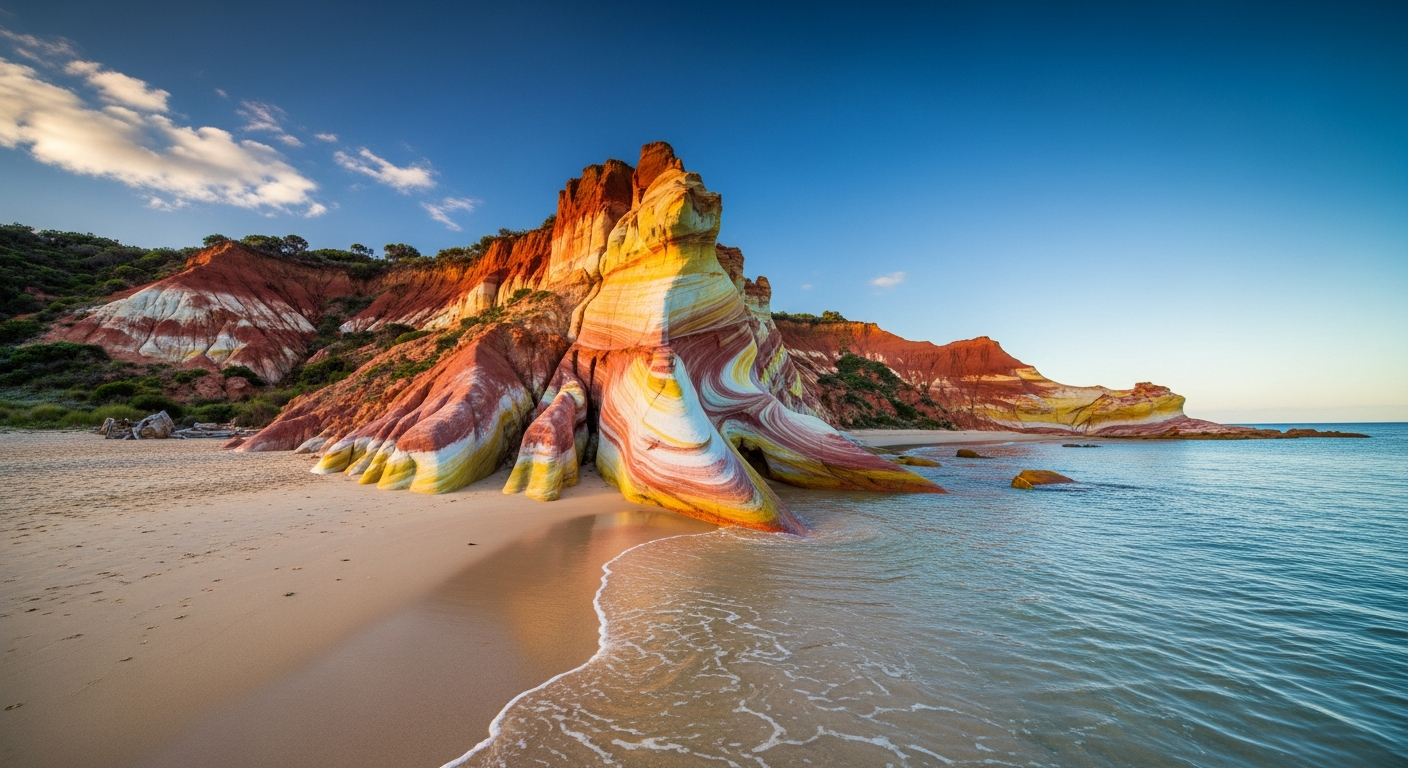
Maria Island is one of Tasmania's most special places - a car-free national park island off the east coast where wombats graze on the airstrip, historic convict buildings stand peacefully in the landscape, and some of the state's most remarkable geological formations draw visitors from around the world. The island is reached by a short ferry from Triabunna and feels wonderfully remote, despite being relatively accessible. With no cars, no shops, and no permanent residents, Maria Island is a place to slow down and connect with nature.
Getting There
Maria Island is accessed by ferry from Triabunna, about 1.5 hours northeast of Hobart on the east coast. The Maria Island Ferry operates daily (multiple crossings in summer, reduced in winter) and the crossing takes about 30 minutes. Return fares are around $45 per adult. No vehicles are permitted on the island - you walk or cycle. Mountain bikes can be hired from Triabunna. A National Parks Pass is required ($25 per person per day or $80 for a Holiday Pass).
The Painted Cliffs
The Painted Cliffs are Maria Island's most famous attraction - a section of sandstone cliff face painted by nature with intricate patterns of iron oxide, creating swirling bands of ochre, cream, orange, and honey. The effect is like a natural abstract artwork. The cliffs are best viewed at low tide, when the rock platforms are exposed and the patterns are reflected in rock pools.
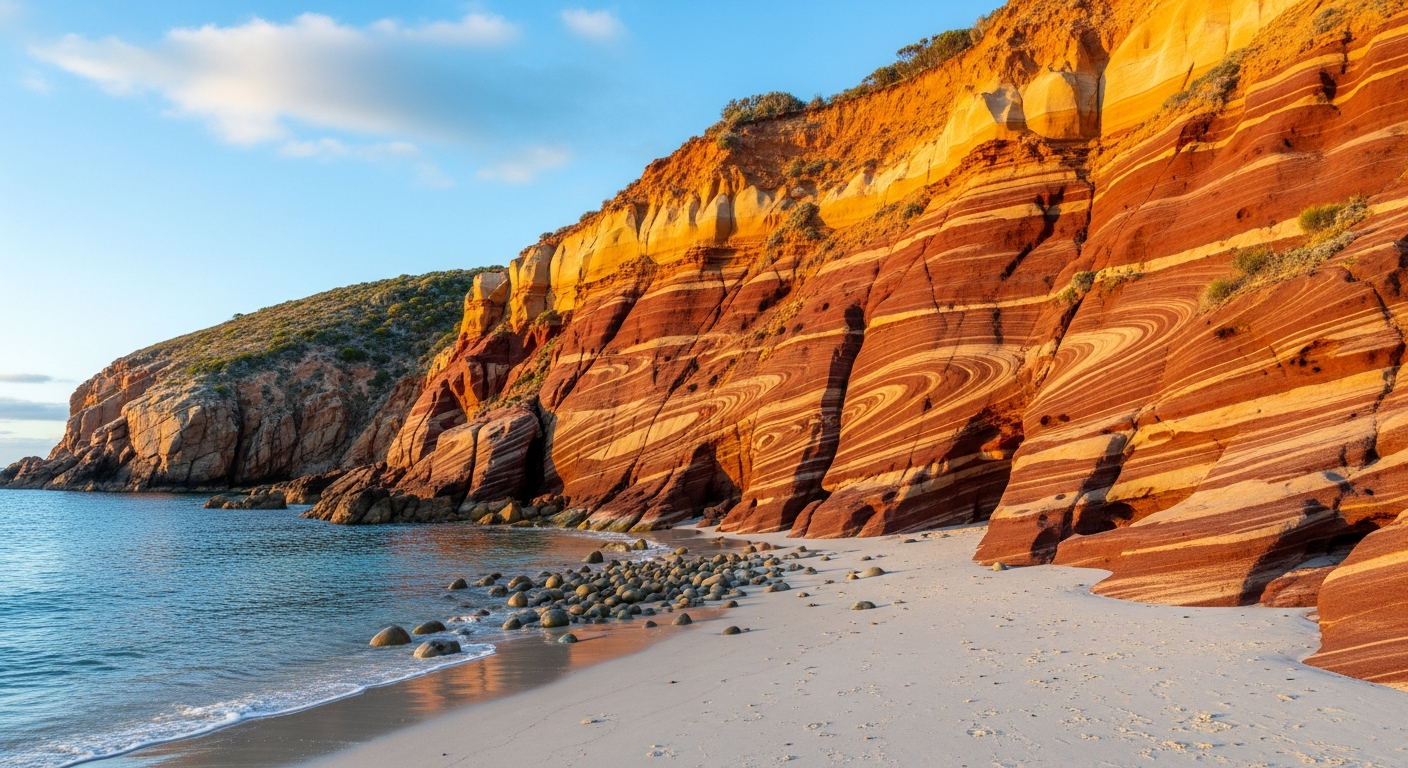
The walk from Darlington to the Painted Cliffs takes about 45 minutes each way along the coast, passing Hopground Beach (a beautiful swimming beach). Check tide times before heading out - the cliffs are accessible at low and mid tide.
Darlington
Darlington is the island's only settlement - a collection of convict-era and later industrial buildings that together form a UNESCO World Heritage-listed cultural landscape. The settlement operated as a convict probation station from 1825 to 1850, and later housed a series of industrial ventures.
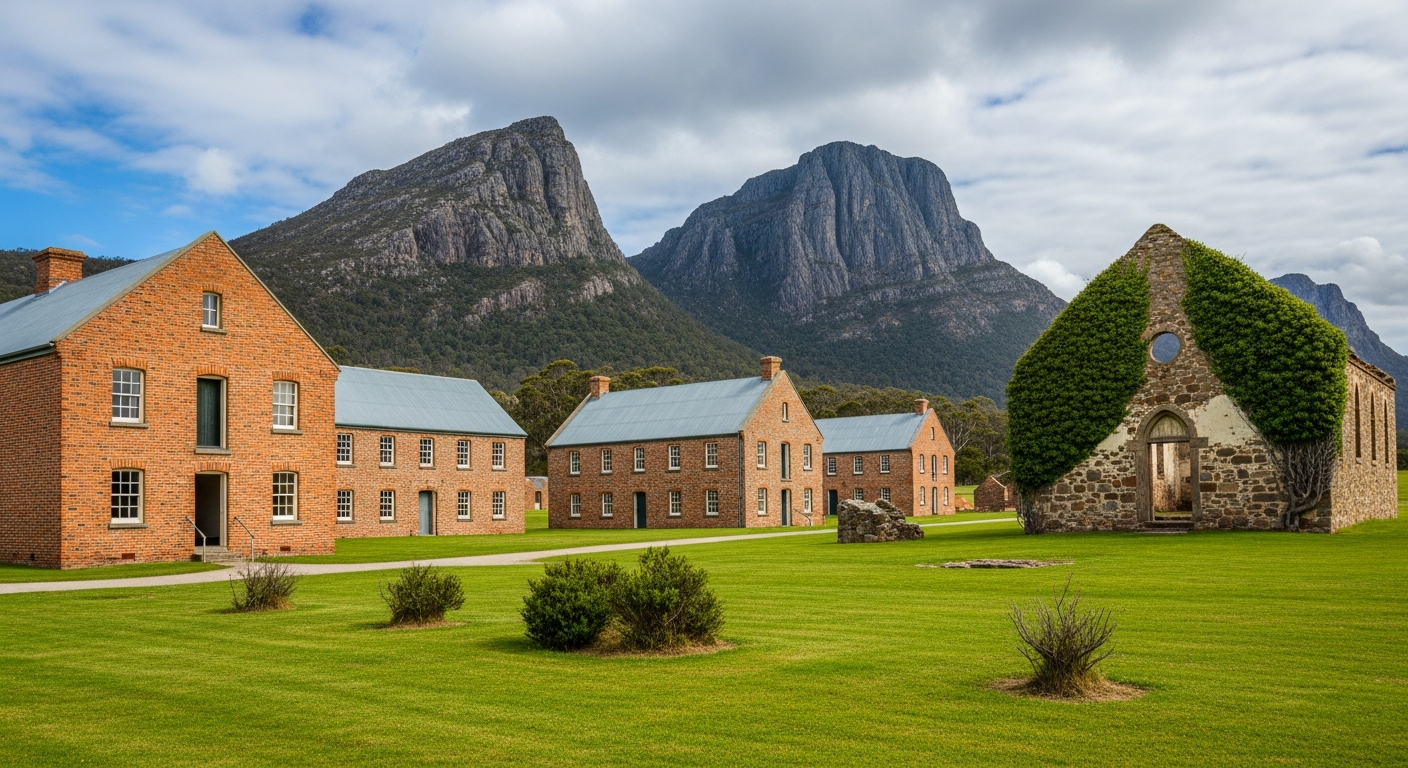
Key buildings include: - The Commissariat Store: The main visitor information point, with displays on the island's history. - The Penitentiary: The convict-era accommodation building, now used as a basic bunkhouse for overnight visitors. - The Coffee Palace: A later addition from the island's short-lived resort era. - The Mess Hall: Another convict building, also used for bunkhouse accommodation.
Fossil Cliffs
The Fossil Cliffs on the island's north coast are a remarkable geological site - limestone cliffs embedded with millions of fossils from creatures that lived in ancient seas over 250 million years ago. The fossils are clearly visible in the rock face and include bryozoans, brachiopods, and other marine organisms. The walk from Darlington takes about 1 hour each way.
Wildlife
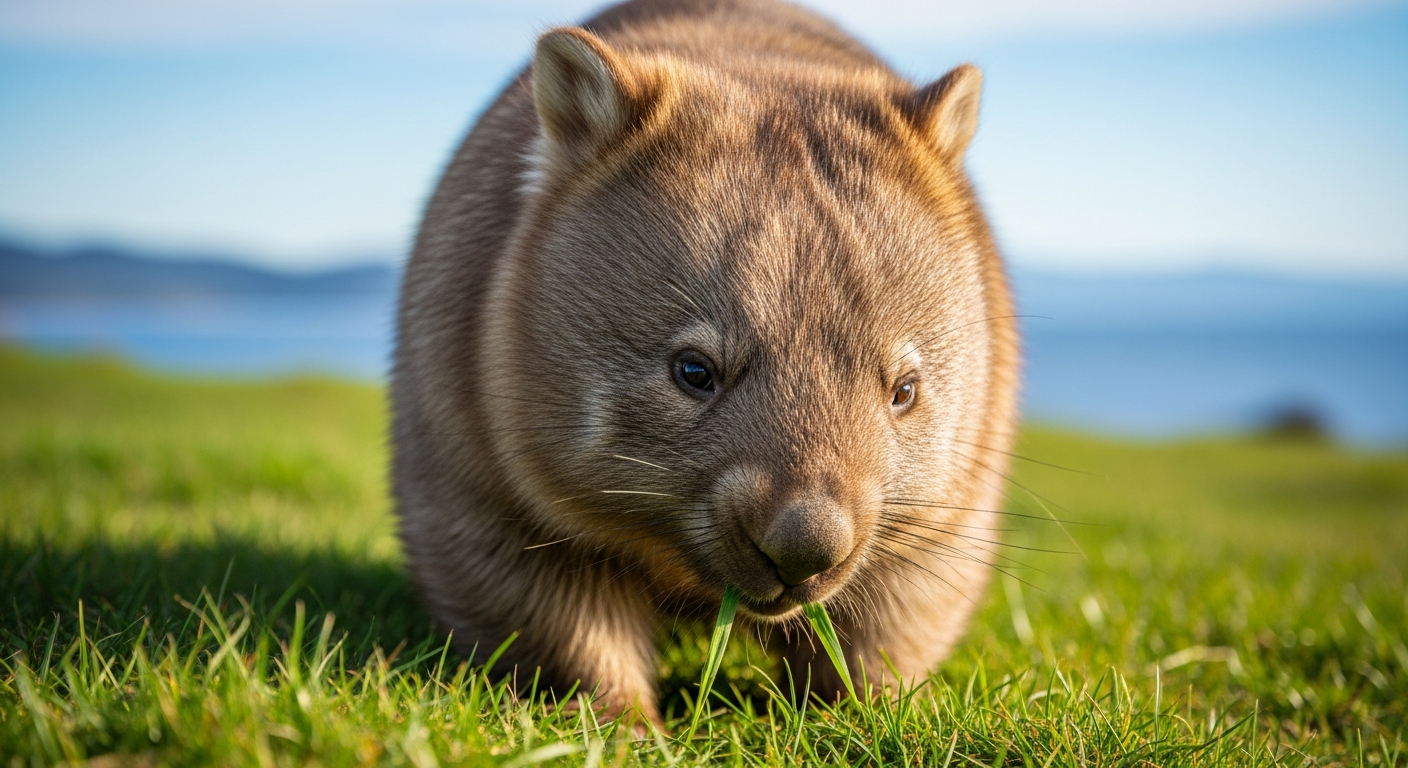
Maria Island is one of Australia's best wildlife destinations:
- Wombats: Common wombats are abundant and remarkably tame. They graze on the grassy areas around Darlington and the airstrip, often completely unperturbed by people passing within metres.
- Tasmanian Devils: Devils were reintroduced to Maria Island in 2012 as an "insurance population" against the facial tumour disease devastating mainland populations. They are occasionally seen, especially at dawn and dusk.
- Cape Barren Geese: These large, handsome geese are common around Darlington.
- Forester Kangaroos: Tasmania's subspecies of the eastern grey kangaroo, frequently seen grazing in open areas.
Walks
- Painted Cliffs: 2 hours return from Darlington. - Fossil Cliffs: 2 hours return. - Bishop and Clerk: The island's premier walk - a challenging 4-5 hour return trip climbing to 620 metres with spectacular views over the island and coast. The summit involves some rock scrambling. - Oast House & Haunted Bay: A longer day walk to the island's remote south coast.
Where to Eat
There are no shops, cafes, or restaurants on Maria Island. You must bring all food and water with you. The ferry departure point at Triabunna has cafes and a small supermarket.
Where to Stay
- Budget: Penitentiary bunkhouse at Darlington (basic bunk beds in the historic convict building - mattresses provided but bring a sleeping bag. $13 per night, bookable online), camping at Darlington and Encampment Cove (BYO tent, basic facilities).
- Mid-Range/Luxury: Maria Island Walk (a 4-day guided walk with stays at comfortable, exclusive bush camps with gourmet food and wine. From $2,500 per person) - one of Australia's great guided walks.
Practical Tips
- Bring everything: There are no shops on the island. Bring all food, water, sunscreen, and supplies. There is tank water at Darlington but it should be treated before drinking. - Bikes: Mountain bikes can be hired from Triabunna and taken on the ferry. They are the most efficient way to get around the island. - Weather: The east coast is Tasmania's driest region, but weather can change quickly. Bring warm layers and rain gear. - Tides: Check tide times for the Painted Cliffs - they are best at low tide. - Day trip or overnight: Maria Island works as a day trip (catch the morning ferry, explore, return on the afternoon ferry), but an overnight stay in the historic penitentiary is a unique experience.
AUBIS Tip
: Maria Island is a unique and unforgettable Tasmanian experience. Use AUBIS to plan your visit - check the ferry schedule, time your Painted Cliffs visit with low tide, and pack appropriately. Combine with the Freycinet Peninsula and Swansea for a comprehensive east coast itinerary.