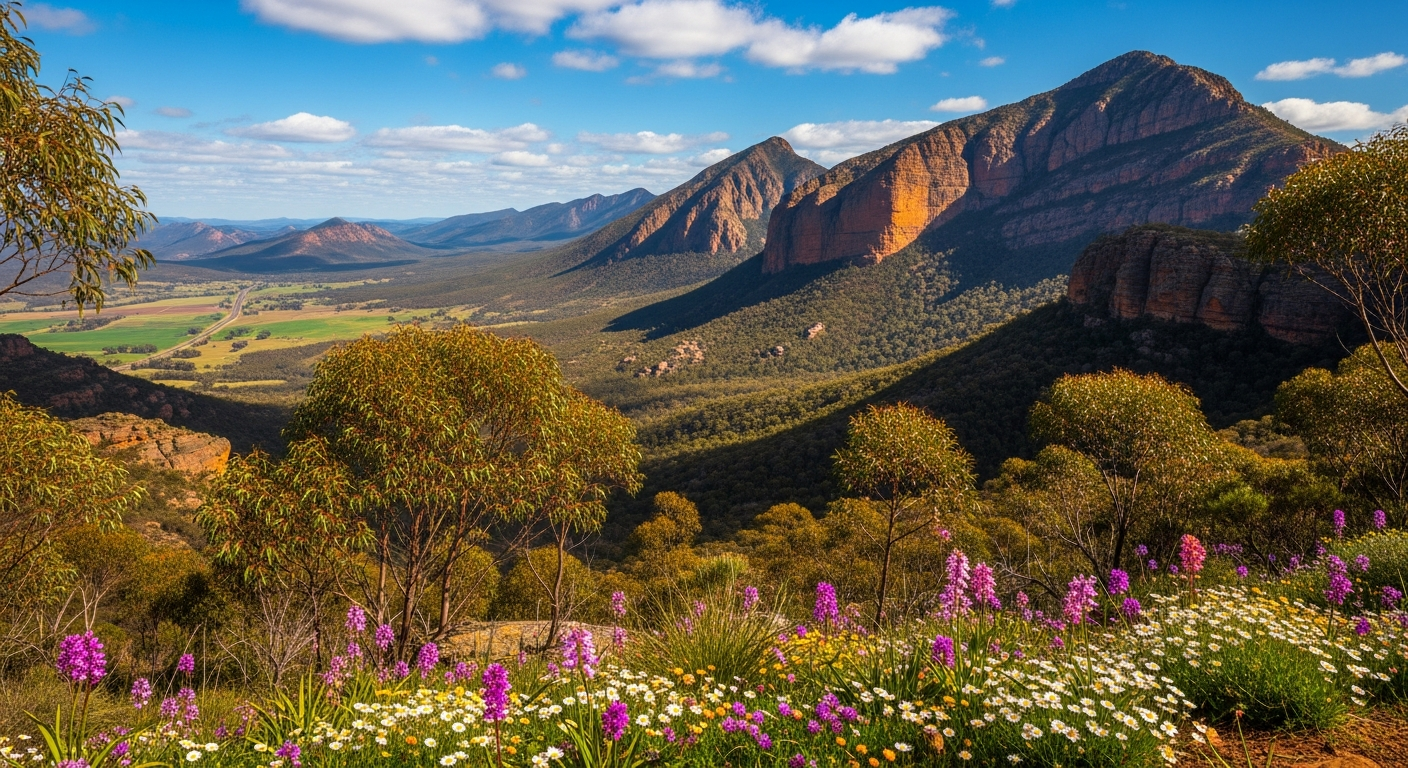
The Grampians, known to the traditional Djab Wurrung and Jardwadjali people as Gariwerd, is a series of rugged sandstone mountain ranges rising dramatically from the flat western Victorian plains. It's one of Australia's great national parks - a place of ancient Indigenous rock art, spectacular waterfalls, world-class bushwalking, abundant wildlife, and some of the most dramatic mountain scenery in southeastern Australia.
Getting There
The Grampians are about 3 hours west of Melbourne via the Western Freeway through Ballarat and Ararat. Halls Gap, the main town within the park, is the base for most visitors. There's no direct public transport, though V/Line runs to Ararat (2.5 hours from Melbourne), from where you'd need your own transport to Halls Gap (about 45 minutes further). A car is essential.
The Pinnacle
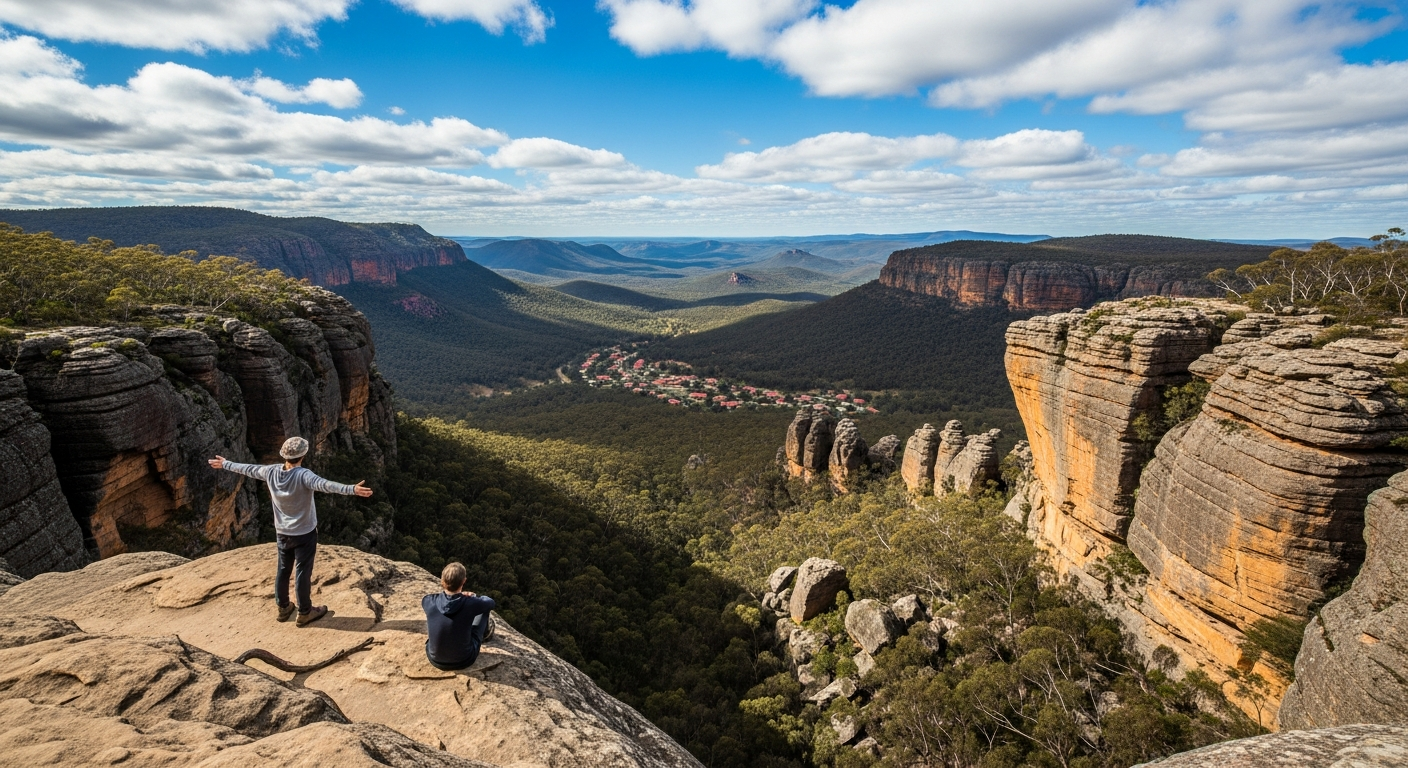
The walk to the Pinnacle is the Grampians' signature experience. The 4.2km return trail (from the Wonderland Car Park) takes you through the Grand Canyon - a narrow slot canyon with towering rock walls - past Silent Street, and up to the Pinnacle lookout with sweeping views across the Grampians ranges and surrounding plains. Allow 2-3 hours return. The track is well-marked but involves steep sections and rock scrambling. It's moderately challenging but achievable for reasonably fit walkers.
Brambuk: The National Park & Cultural Centre
Brambuk is the cultural heart of the Grampians, run by Indigenous communities who have called Gariwerd home for over 20,000 years. The centre features interactive displays on Djab Wurrung and Jardwadjali culture, a bush tucker cafe, and information on the park's rock art sites. Cultural tours and activities are available.
Indigenous Rock Art
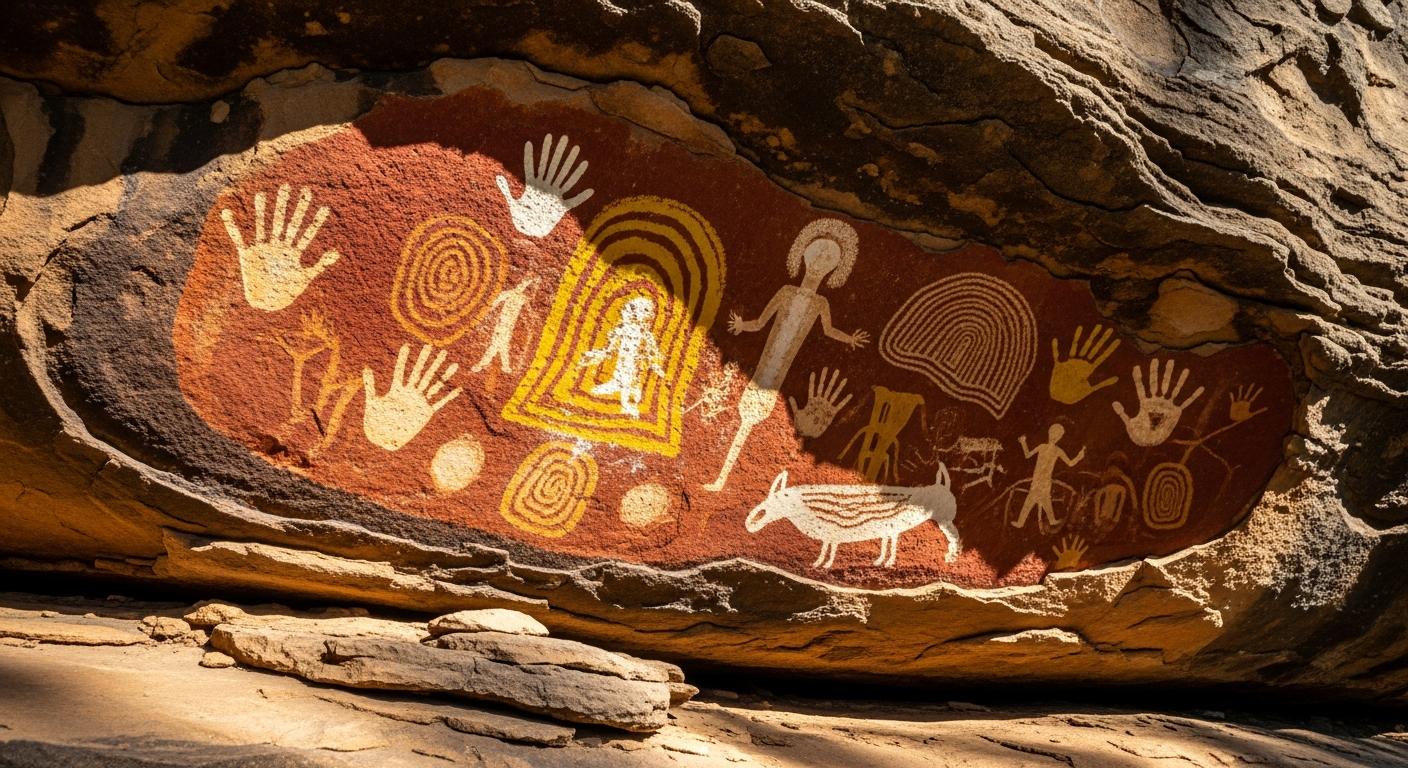
The Grampians contain over 80% of Victoria's Indigenous rock art sites. Some are accessible to visitors:
- Bunjil's Shelter: A significant site featuring a painting of Bunjil, the creator being in Djab Wurrung culture, accompanied by two dingoes. It's one of the most important rock art sites in southeastern Australia.
- Billimina Shelter (Glenisla Shelter): Hand stencils and art estimated to be thousands of years old.
- Ngamadjidj Shelter: White figure paintings in a small cave.
Please treat these sites with the utmost respect. Do not touch the art, stay behind barriers, and follow all signage.
Waterfalls
- MacKenzie Falls: The largest waterfall in the Grampians, flowing year-round. The walk to the base (2km return, steep with stairs) takes you to the plunge pool. The lookout walk above is shorter and easier.
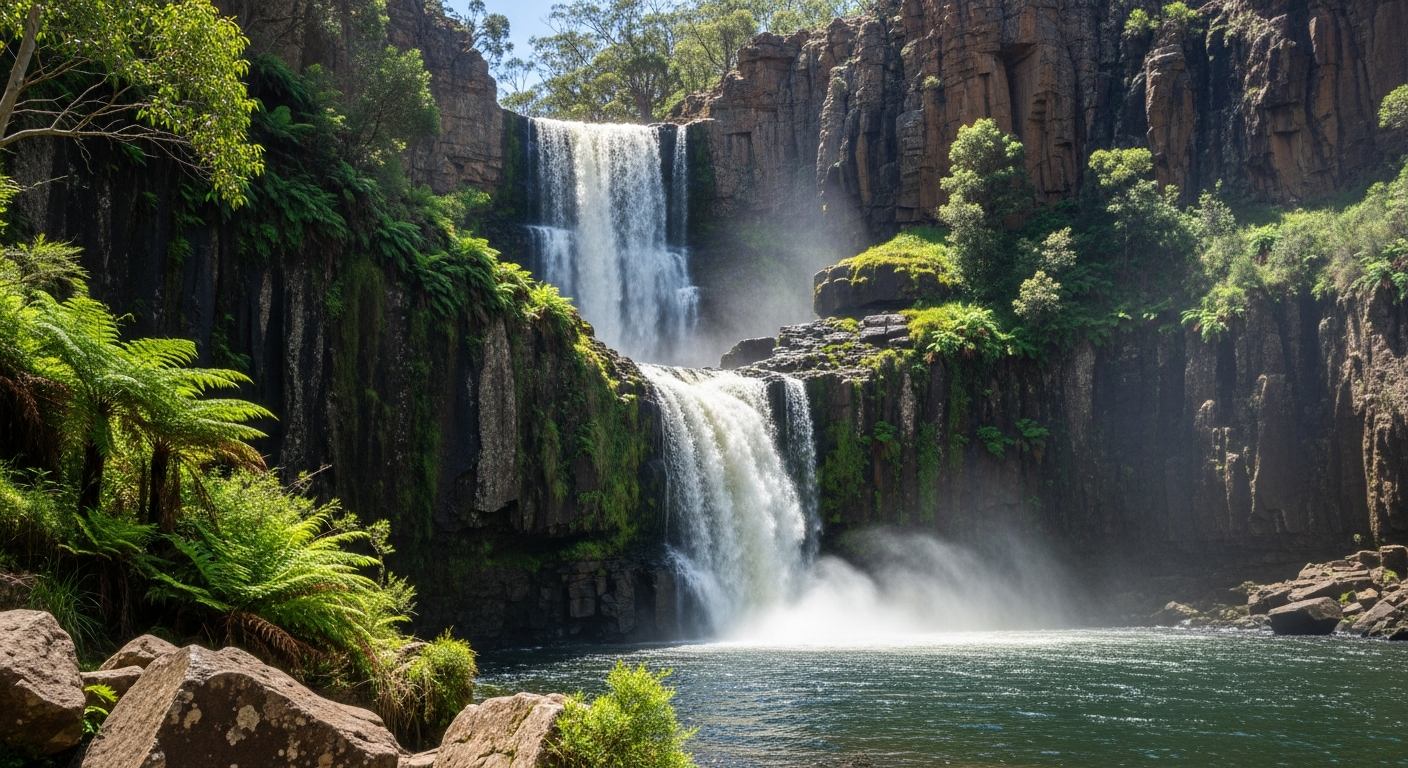
- Silverband Falls: A delicate waterfall reached by a pleasant 2km return walk from the car park.
- Fish Falls: A less-visited waterfall with a challenging walk, rewarding for the adventurous.
Wildlife
The Grampians are rich in wildlife:
- Kangaroos: Extremely common, especially around Halls Gap at dawn and dusk. The Halls Gap Recreation Oval is a reliable spotting location - kangaroos graze on the oval most evenings.
- Emus: Often seen along roadsides and in open areas.
- Koalas: Present but harder to spot. Try the walking tracks around Halls Gap.
- Echidnas: Frequently seen waddling across walking tracks.
Where to Eat
- Spirit of Punjab: Surprisingly excellent Indian food in tiny Halls Gap. Very popular - book ahead. Mains $18-26.
- Halls Gap Lakeside Tourist Park Cafe: Good casual meals and coffee by the lake.
- Kookaburra Bar & Bistro: At the Royal Mail Hotel in Dunkeld (southern end of the Grampians). The restaurant here was once one of Australia's best fine-dining destinations and still offers excellent dining. Mains $36-55.
- Red Rock Olives: A small olive grove and cafe near Halls Gap with tastings and light meals.
Where to Stay
- Budget: Brambuk Backpackers (basic but well-located), Halls Gap Lakeside Tourist Park (camping and cabins).
- Mid-Range: D'Altons Resort (self-contained cabins in a bush setting), Halls Gap Log Cabins, Pinnacle Holiday Lodge.
- Luxury: Royal Mail Hotel Dunkeld (award-winning accommodation and dining at the southern base of the Grampians), Boroka Downs (exclusive hillside villas with floor-to-ceiling views of the ranges).
Practical Tips
- Walking preparation: The Grampians has over 160km of walking tracks. Carry water, wear sturdy shoes, and check track conditions with Parks Victoria before heading out. Some tracks close seasonally for maintenance or after fire. - Weather: The Grampians have a continental climate - hot in summer (often over 35°C), cold in winter (0-10°C) with occasional snow on the peaks. Spring (September-November) is the best time for wildflowers. Autumn is mild and beautiful. - Fire danger: Summer brings extreme fire danger. Check CFA fire ratings and be prepared to change plans. Total fire ban days may close some tracks and roads. - Water: Carry plenty of water on walks, especially in summer. Creek water is not reliably safe to drink. - Dunkeld: The town of Dunkeld at the southern entrance is worth a stop for the Royal Mail Hotel and the views of Mount Abrupt and Mount Sturgeon.
AUBIS Tip
: The Grampians deserve at least 2-3 days to explore properly. Use AUBIS to plan your walking itinerary - the Pinnacle walk and MacKenzie Falls are must-dos, then add Bunjil's Shelter and the rock art sites. The platform will help you plan your days around the weather and track conditions, and schedule your accommodations in Halls Gap.