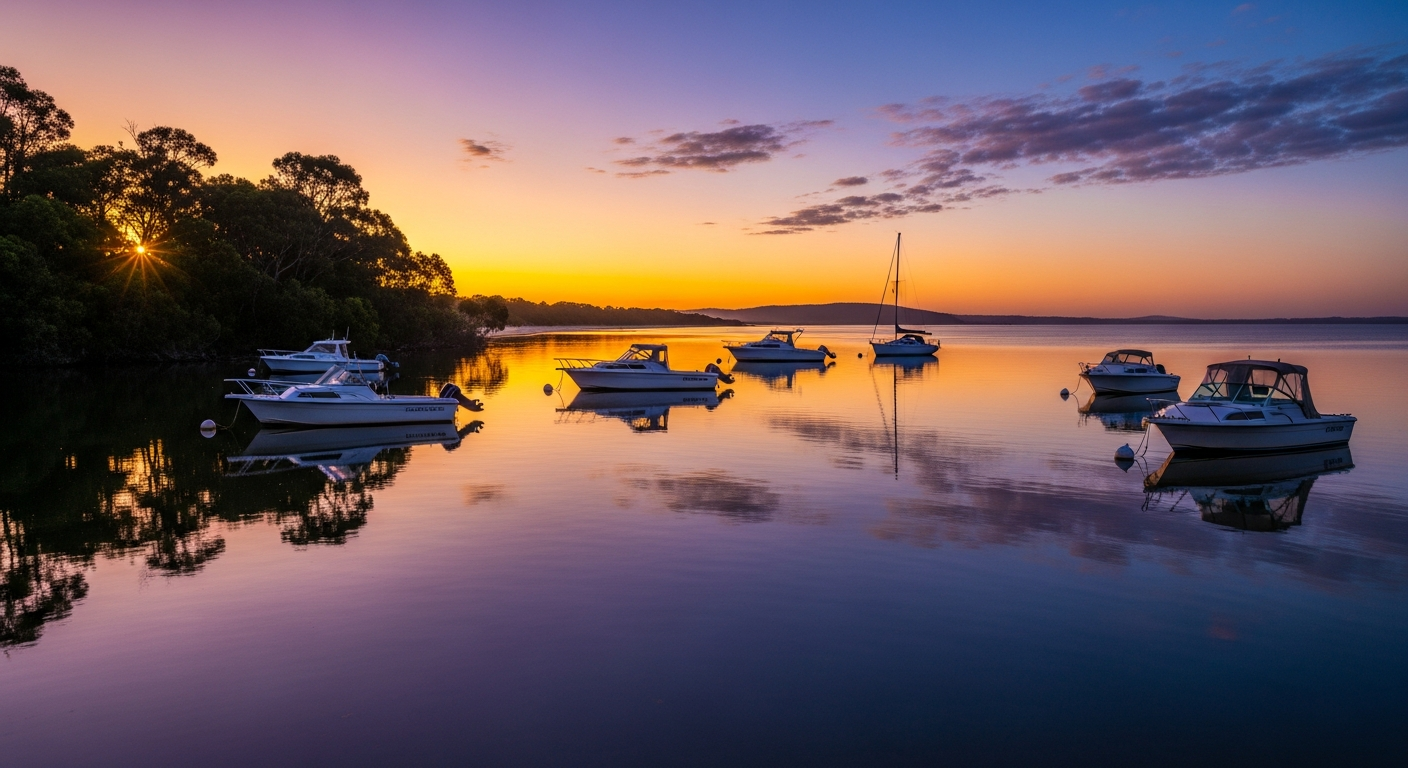
Gippsland is Victoria's great eastern wilderness - a vast region stretching from the outskirts of Melbourne to the New South Wales border, encompassing the largest inland lake system in Australia, remote coastal wilderness, ancient cave systems, towering mountain forests, and some of the state's most beautiful and least-visited coastline. It's a region that rewards those willing to explore beyond the main highways.
Getting There
Gippsland stretches over a huge area. The main towns of Sale and Bairnsdale are about 2.5-3 hours east of Melbourne via the Princes Freeway. The South Gippsland Highway provides a scenic alternative route through the rolling green hills of South Gippsland. V/Line trains run to Bairnsdale (about 3.5 hours from Melbourne). A car is essential for exploring the region properly.
Gippsland Lakes
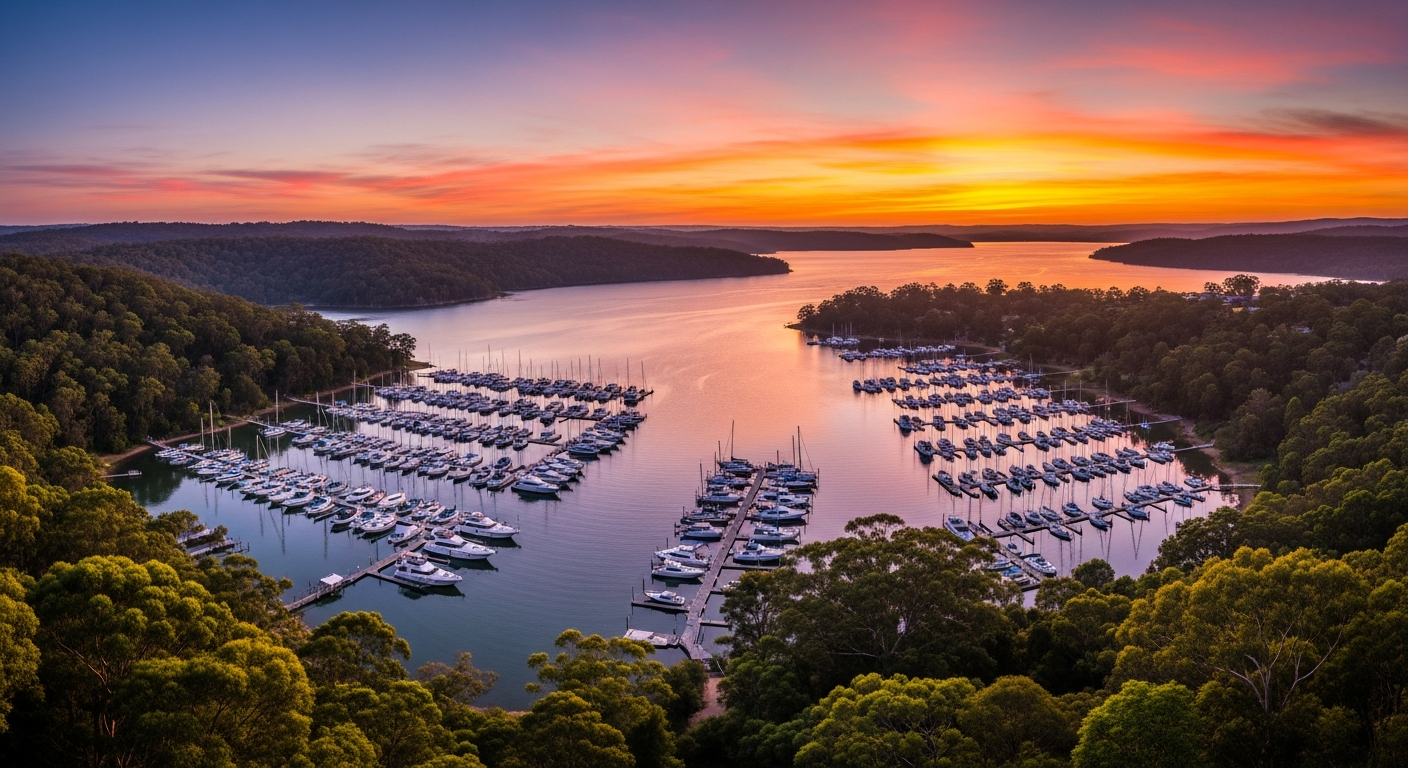
The Gippsland Lakes are the largest inland waterway system in Australia - a network of interconnected lakes, lagoons, and marshes separated from the ocean by the narrow Ninety Mile Beach. The system covers over 600 square kilometres and is stunning.
- Lakes Entrance: The main town on the lakes, where the water meets the ocean. The footbridge to Ninety Mile Beach, the fishing fleet at the wharf, and the fresh seafood are the main draws. Take a boat cruise to explore the lakes.
- Metung: A quieter, more upscale village on the lakes. Beautiful waterfront dining and a peaceful atmosphere. The Metung Hot Springs is a newer attraction offering mineral bathing with lake views.
- Paynesville & Raymond Island: Take the free ferry from Paynesville to Raymond Island, where koalas are abundant in the trees along the main walking track. One of the best free koala experiences in Victoria.
- Eagle Point: Home to the Mitchell River Silt Jetties, an unusual geological formation extending into Lake King.
Ninety Mile Beach
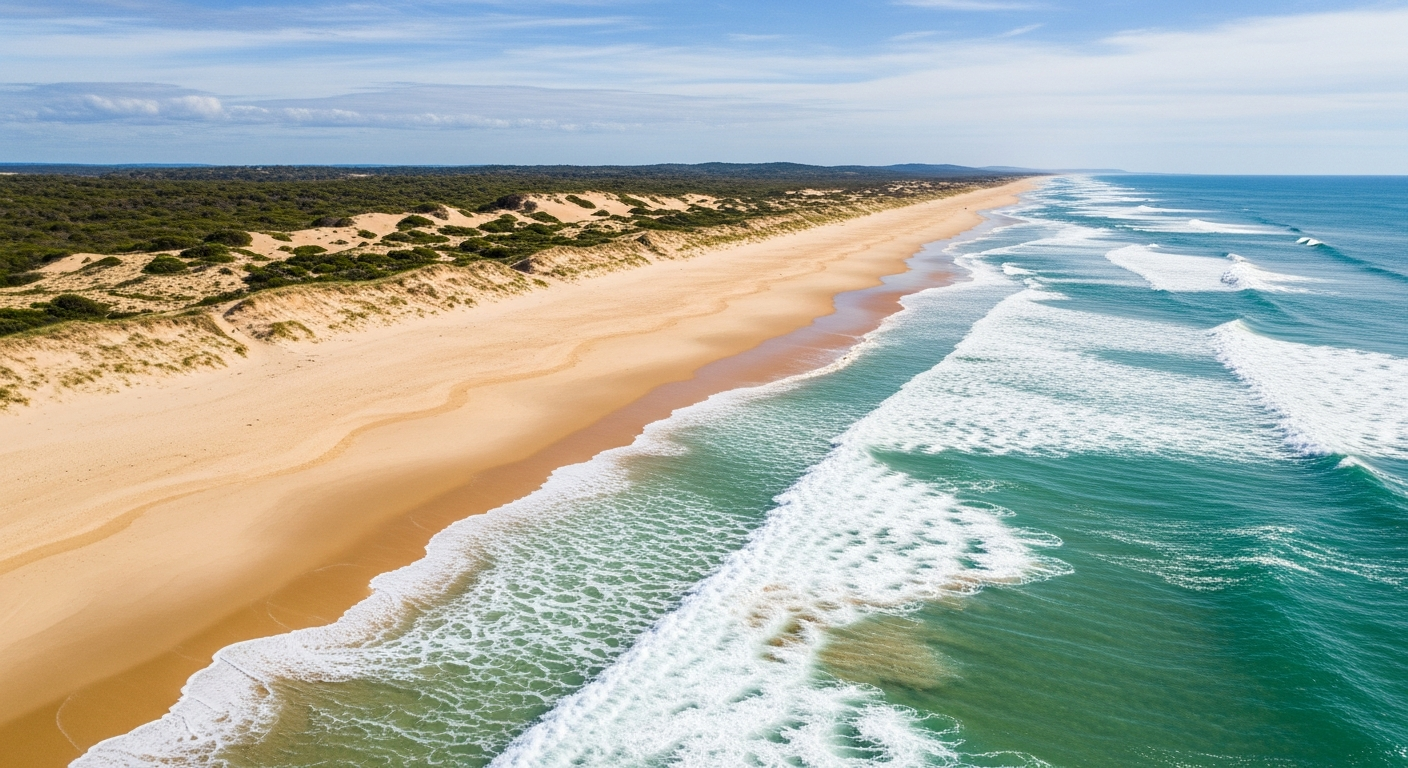
As the name suggests, this is one of the longest uninterrupted beaches in the world. It stretches from Port Albert to Lakes Entrance, a vast expanse of wild, windswept sand backed by dunes. It's almost entirely deserted - perfect for a long walk, beach fishing, or simply experiencing the immensity of the Australian coast.
Buchan Caves
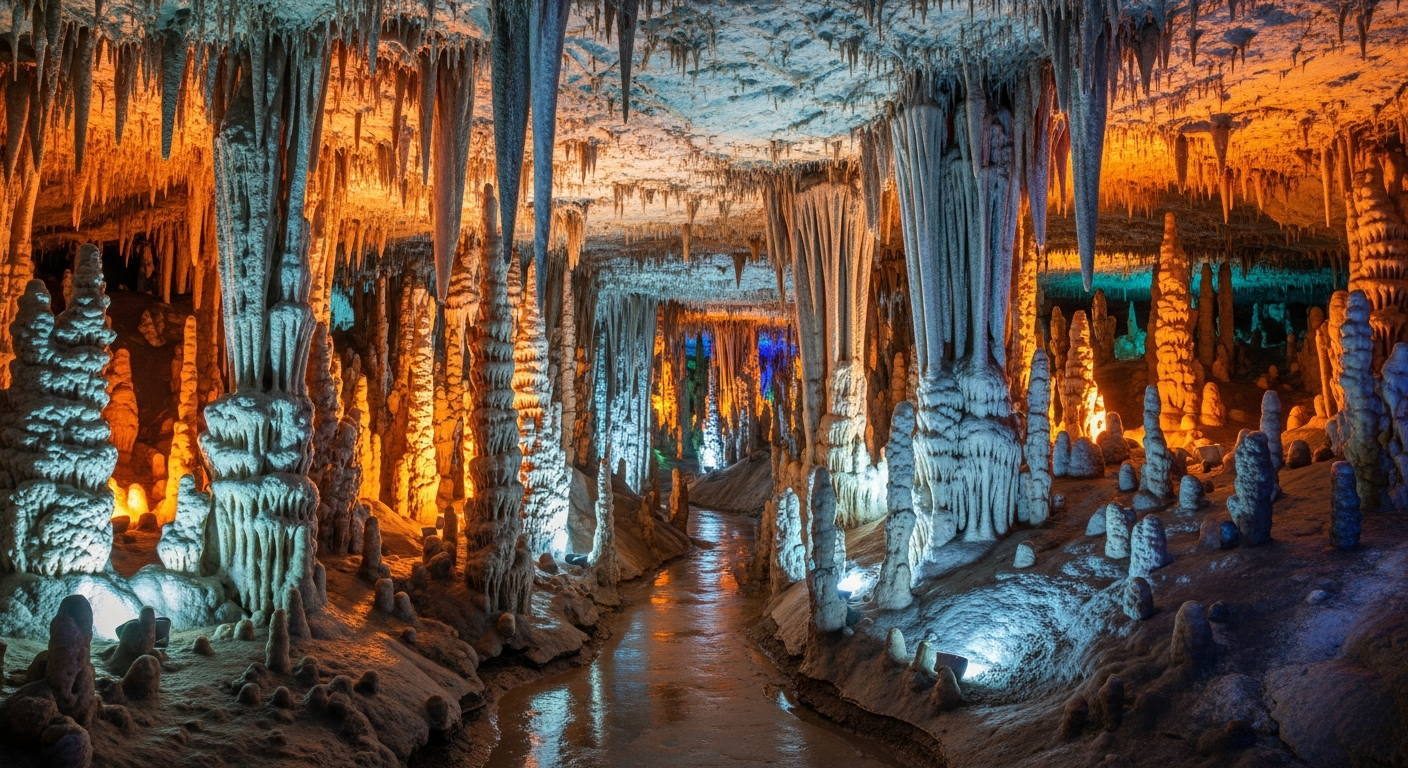
The Buchan Caves Reserve, in the foothills of the Victorian Alps, contains two spectacular limestone cave systems:
- Royal Cave: Features stunning calcite formations, flowstone, and underground pools. The cave is beautifully lit and the guided tour takes about 75 minutes.
- Fairy Cave: Known for its delicate formations and shawl-like calcite features.
Tours depart from the reserve daily (from around $25 per cave) and the surrounding park has camping, picnic areas, and a spring-fed swimming pool.
Croajingolong National Park
On the far eastern edge of Gippsland, Croajingolong National Park is one of Victoria's most remote and beautiful coastal parks. UNESCO-listed as a World Biosphere Reserve, it offers:
- Point Hicks: The first point on the Australian mainland sighted by Captain Cook's crew in 1770. The historic lighthouse offers accommodation.
- Mallacoota Inlet: A stunning coastal lagoon surrounded by bush. The town of Mallacoota is a remote gem with excellent fishing, kayaking, and birdlife.
- Wilderness beaches: Deserted beaches accessible only by foot or boat.
Where to Eat
- Sardine Eatery, Paynesville: Excellent modern Australian cuisine with a focus on local produce and seafood. Mains $28-42.
- Metung Galley: Waterfront dining on the Gippsland Lakes. Fresh seafood and seasonal menus. Mains $26-40.
- Long Paddock Food Store, Lakes Entrance: Great cafe with local produce, excellent coffee, and a relaxed atmosphere.
- Miriam's Restaurant, Lakes Entrance: Fine dining with panoramic lake views. Mains $34-48.
Where to Stay
- Budget: Lakes Entrance YHA, Buchan Caves Reserve campground, Mallacoota Foreshore Holiday Park.
- Mid-Range: Bellevue on the Lakes (Metung, waterfront apartments), Comfort Inn & Suites Emmanuel (Lakes Entrance), McMillans of Metung.
- Luxury: Metung Hot Springs & Villas (luxury villas with private hot spring access), Gippsland Lakehouse (boutique accommodation near Paynesville), Point Hicks Lighthouse (unique lighthouse keeper's accommodation).
Practical Tips
- Size: Gippsland is massive. Don't try to see everything in one trip. Focus on either the Gippsland Lakes area, or the far east (Croajingolong/Mallacoota) - trying to combine both requires a lot of driving. - Weather: Coastal Gippsland has a mild maritime climate. Summer is warm (20-28°C) and the best time for swimming. Winter is cool and can be wet. Inland areas and the Alps are colder. - Fishing: Gippsland is a fishing paradise. The lakes are famous for bream and flathead. The ocean beaches offer great surf fishing. A Victorian recreational fishing licence is required. - Bushfire awareness: In summer, check fire ratings and warnings. The 2019-20 bushfires significantly impacted eastern Gippsland. The region has recovered but fire awareness is essential. - Mallacoota: This remote town is about 6 hours from Melbourne. It's worth the drive for its unspoilt beauty, but plan for the distance. It's also accessible by a long drive along the coast from Lakes Entrance.
AUBIS Tip
: Gippsland is Victoria's great undiscovered region. Use AUBIS to plan a road trip from Melbourne through the Gippsland Lakes, adding the Buchan Caves, Raymond Island koalas, and a stay in Metung or Lakes Entrance. For the adventurous, extend to Mallacoota. The platform will help you manage the distances and plan your stops - Gippsland is a big region and AUBIS will ensure you don't underestimate the driving.