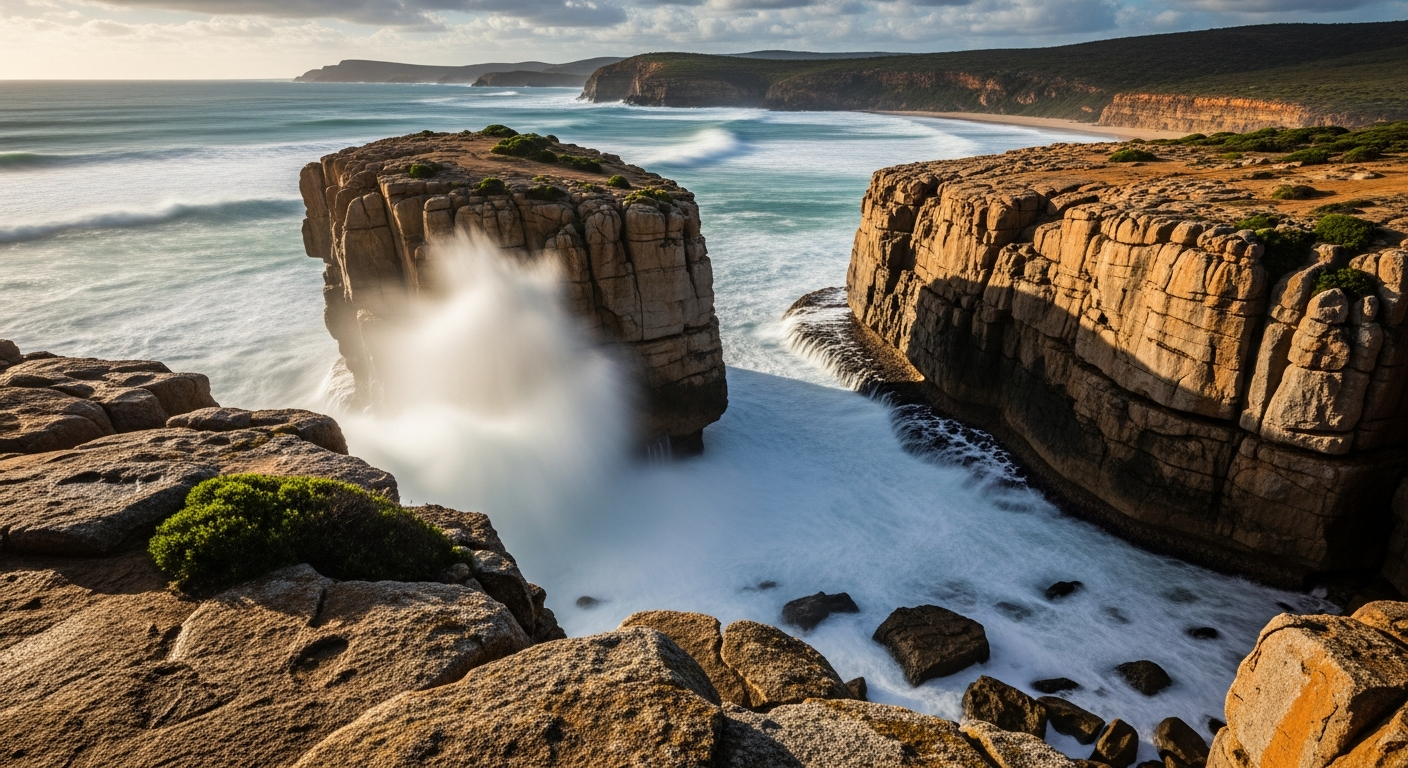
Albany is Western Australia's oldest colonial settlement and one of the state's most dramatically beautiful destinations - a city perched on the rugged Great Southern coastline where towering granite headlands meet the wild Southern Ocean, and a deep natural harbour has shaped centuries of maritime history. Albany offers an exceptional combination of natural spectacles, including the thundering blowholes at The Gap, some of Australia's most significant ANZAC heritage, world-class whale watching, and the breathtaking mountain landscapes of the nearby Stirling Range. Less visited than WA's northern attractions, the Great Southern rewards travellers with uncrowded beauty, mild temperatures, and a genuine sense of discovery.
Getting There
Albany is approximately 420km south-east of Perth - about a 4.5-hour drive via the Albany Highway or the more scenic South Western Highway through Collie and the karri forests. Rex Regional Express operates flights from Perth to Albany Airport (ALH) several times a week (about 1 hour, from $150 one way). TransWA operates coach services from Perth (approximately 6 hours, from $55). Once in Albany, a car is useful for exploring the surrounding coastline and the Stirling Range, though the city centre is compact and walkable.
The Gap & Natural Bridge
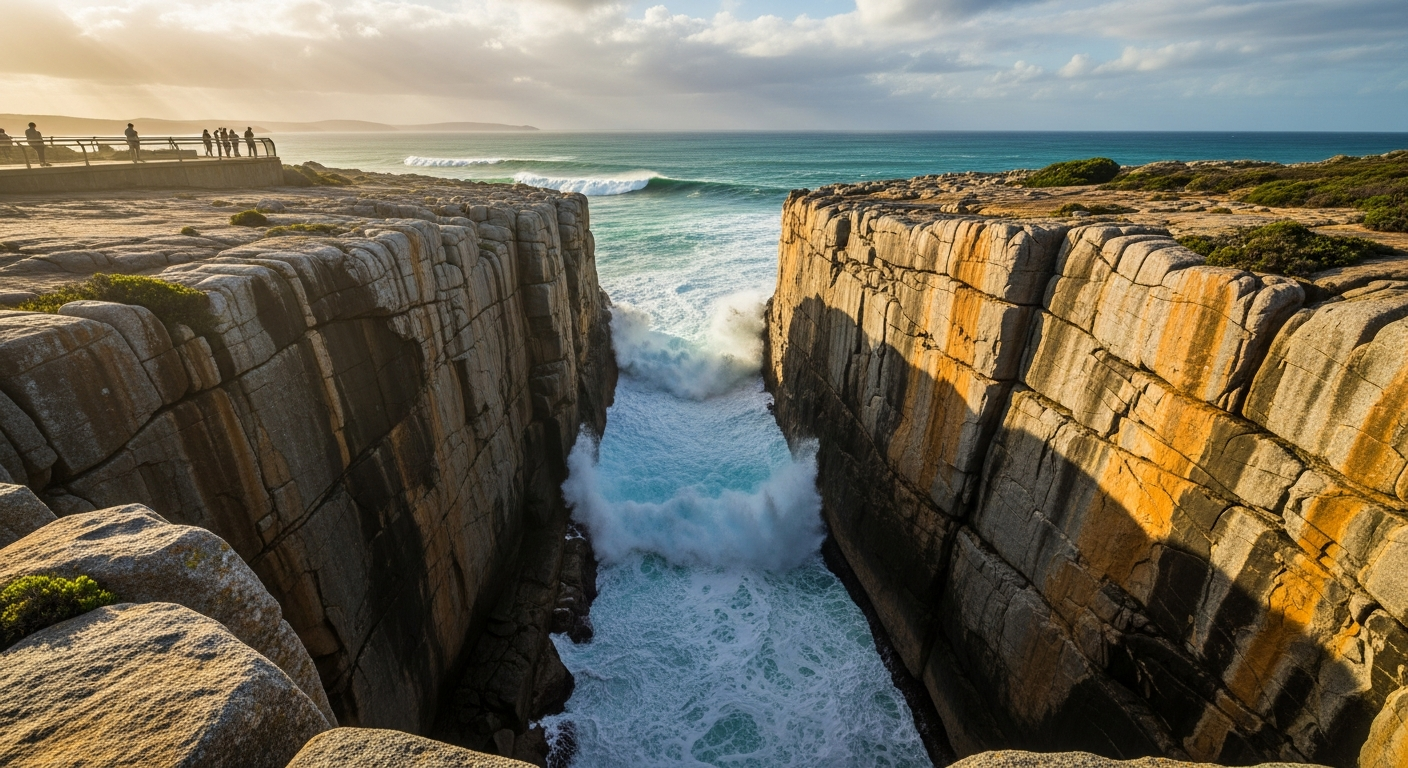
The Gap and Natural Bridge are Albany's most spectacular natural formations, located in Torndirrup National Park on the Flinders Peninsula:
- The Gap: A dramatic granite chasm where the Southern Ocean surges through a 24-metre-deep channel cut into the cliff face. A steel and granite viewing platform extends over the edge, offering vertiginous views straight down into the churning water. On big swell days, the waves crash into the gap with extraordinary force, sending spray high into the air.
- Natural Bridge: A few hundred metres from The Gap, a natural rock bridge spans a chasm above the ocean. The geological forces that created these formations are clearly visible in the twisted and folded granite.
- Blowholes: Nearby, the Blowholes send spray shooting skyward when ocean swells force water through narrow channels in the rocks.
- Stony Hill: A short walk to a granite summit offering panoramic views over the Albany coastline and King George Sound.
- Entry: Torndirrup National Park requires a WA Parks pass ($15 per vehicle per day). The Gap and Natural Bridge are a short walk from the car park on well-maintained paths.
National Anzac Centre
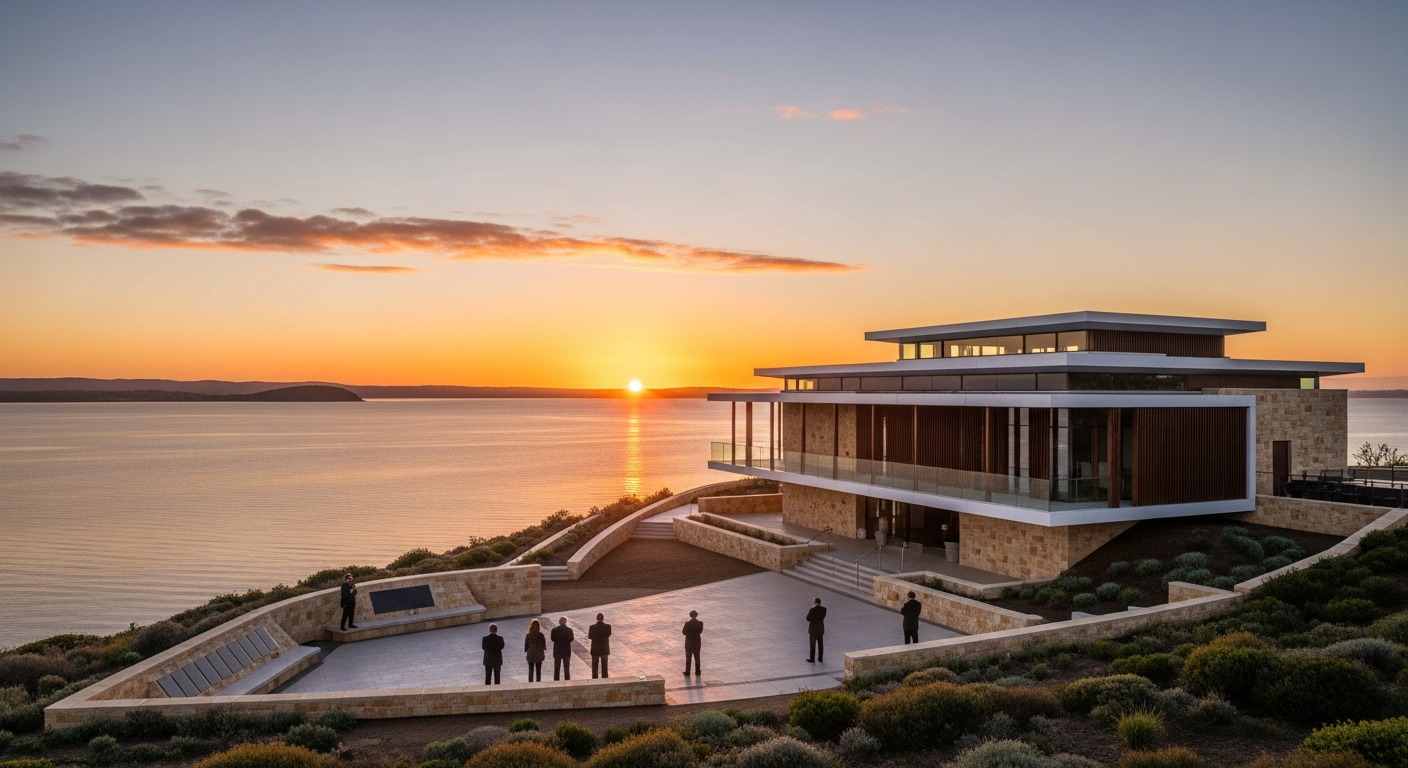
Albany holds a unique place in Australia's ANZAC history - it was the last port of call for the ANZAC troops departing for Gallipoli in 1914:
- National Anzac Centre: An award-winning, world-class museum on Mount Clarence overlooking the harbour. The museum tells the personal stories of soldiers, nurses, and others who served through interactive multimedia displays. Visitors are assigned the identity of a real person and follow their story through the war. One of the most moving museum experiences in Australia ($25 adults).
- Princess Royal Fortress: A restored military fortress above the harbour, with gun emplacements, tunnels, and displays about Albany's military history. Included in the Anzac Centre ticket.
- ANZAC Dawn Service: Albany hosts one of Australia's most significant Dawn Services each April 25. The service at the Desert Mounted Corps Memorial on Mount Clarence is deeply moving.
- Convoy Walk: A heritage trail connecting key ANZAC sites around the harbour. Allow 1-2 hours.
Whale Watching
Albany was once a major whaling port - the Cheynes Beach Whaling Station processed whales until 1978. Today, the city is one of Australia's premier whale-watching destinations:
- Season: Humpback whales (June-October) and southern right whales (June-September) visit King George Sound and the surrounding coastline. Southern right whales bring their calves into the sheltered waters of the Sound to nurse.
- Where to watch: King George Sound, Middleton Beach, and the lookouts in Torndirrup National Park offer excellent shore-based whale watching. Discovery Bay and Frenchman Bay are also popular spots.
- Tours: Whale-watching boat tours operate during the season from the Albany waterfront (from $80 adults, 2-3 hours). The close encounters with humpbacks and southern rights are spectacular.
- Albany Whale Museum: The Historic Whaling Station at Frenchman Bay has been converted into an excellent museum telling the story of Albany's whaling past and the transition to whale watching ($28 adults).
Stirling Range
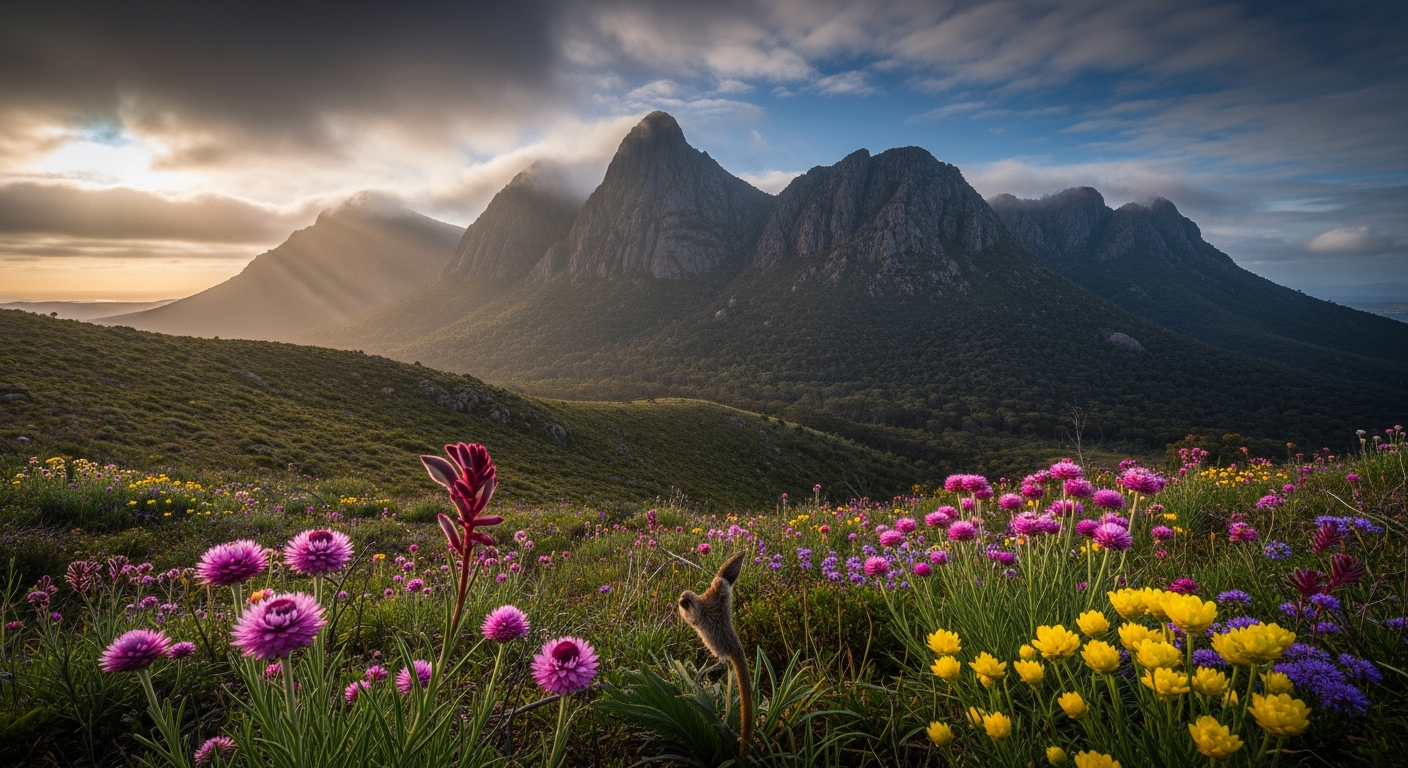
The Stirling Range National Park, 90km north of Albany, is one of Western Australia's most spectacular mountain landscapes:
- Bluff Knoll: At 1,099 metres, Bluff Knoll is the highest peak in the Stirling Range and the highest point in southern Western Australia. The 6km return hike to the summit is steep and challenging (allow 3-4 hours return) but rewards with extraordinary panoramic views. Snow occasionally falls on the summit in winter.
- Wildflowers: The Stirling Range is one of the world's most biodiverse mountain ranges, with over 1,500 plant species - many found nowhere else on Earth. The wildflower season (September-November) is spectacular.
- Toolbrunup Peak: A more challenging alternative to Bluff Knoll, with scrambling sections and exposed ridgelines. The views are even more dramatic.
- Walks: The range offers walks for all fitness levels, from the easy Ongerup Creek Walk to the demanding Toolbrunup summit.
Where to Eat
- Garrison Restaurant: (Albany): Modern Australian dining in a heritage building. Excellent seafood and local produce. Mains $32-46.
- Liberte: (Albany): French-inspired dining with a focus on local ingredients. Mains $30-44.
- Due South: (Albany Waterfront): Casual waterfront dining with harbour views. Fresh fish, burgers, and craft beers. Mains $20-34.
- Noongar's Cafe: (Albany): Great coffee and casual breakfasts and lunches. Mains $14-22.
- Kail: (Albany): Modern, seasonal dining using Great Southern produce. Mains $28-40.
Where to Stay
- Budget: Albany Bayview Backpackers YHA (from $32 dorms/$90 private), Albany Gardens Holiday Resort (powered sites from $35, cabins from $110).
- Mid-Range: Beach House at Bayside (Middleton Beach, from $160), 1849 Backpackers (heritage accommodation, from $120).
- Luxury: The Rocks Albany (from $200), Whalers Retreat (Frenchman Bay, from $250).
- Stirling Range: Stirling Range Retreat (chalets and motel rooms at the base of Bluff Knoll, from $140).
Practical Tips
- Weather: Albany has a Mediterranean climate with warm summers (20-28C) and cool, wet winters (8-16C). The Southern Ocean influence means it can be windy year-round. Bring layers - weather can change quickly, especially on the coast and in the Stirling Range. - Best time: Spring (September-November) offers wildflowers, whale watching, and mild temperatures. Autumn (March-May) is also excellent. Summer (December-February) can be busy but offers the best swimming conditions. - The Gap safety: The Gap can be dangerous in rough seas. Stay behind barriers and on designated paths. Rogue waves can reach the viewing platforms in extreme conditions. - Driving: The drive from Perth to Albany via the Albany Highway is straightforward but long. Consider breaking the journey in the town of Williams or Kojonup. - Tree Top Walk: The Valley of the Giants Tree Top Walk, 120km west of Albany near Walpole, is worth a detour. A 600-metre walkway rises 40 metres into the canopy of giant tingle trees.
AUBIS Tip
: Albany and the Great Southern offer a quieter, more dramatic alternative to Western Australia's popular northern destinations. Use AUBIS to plan your Great Southern itinerary - schedule a morning visit to The Gap, book your National Anzac Centre entry, arrange a whale-watching tour, and plan a Bluff Knoll sunrise hike. The platform will coordinate your Albany experience with the Stirling Range, Tree Top Walk, and onward travel to Esperance or Margaret River.